Routine pump-outs are what keep waste leaks, overflow and system failures away from the lagoon. For the homes around it, that is not an abstract point: it is the water at the end of the street.
Properties around Wamberal Lagoon often rely on septic systems because sewer infrastructure never reached them. Left uncleaned, those systems can contaminate soil and damage the ecosystems next door, and a pump-out is the pressure valve: it removes the built-up sludge before the system has to fail.
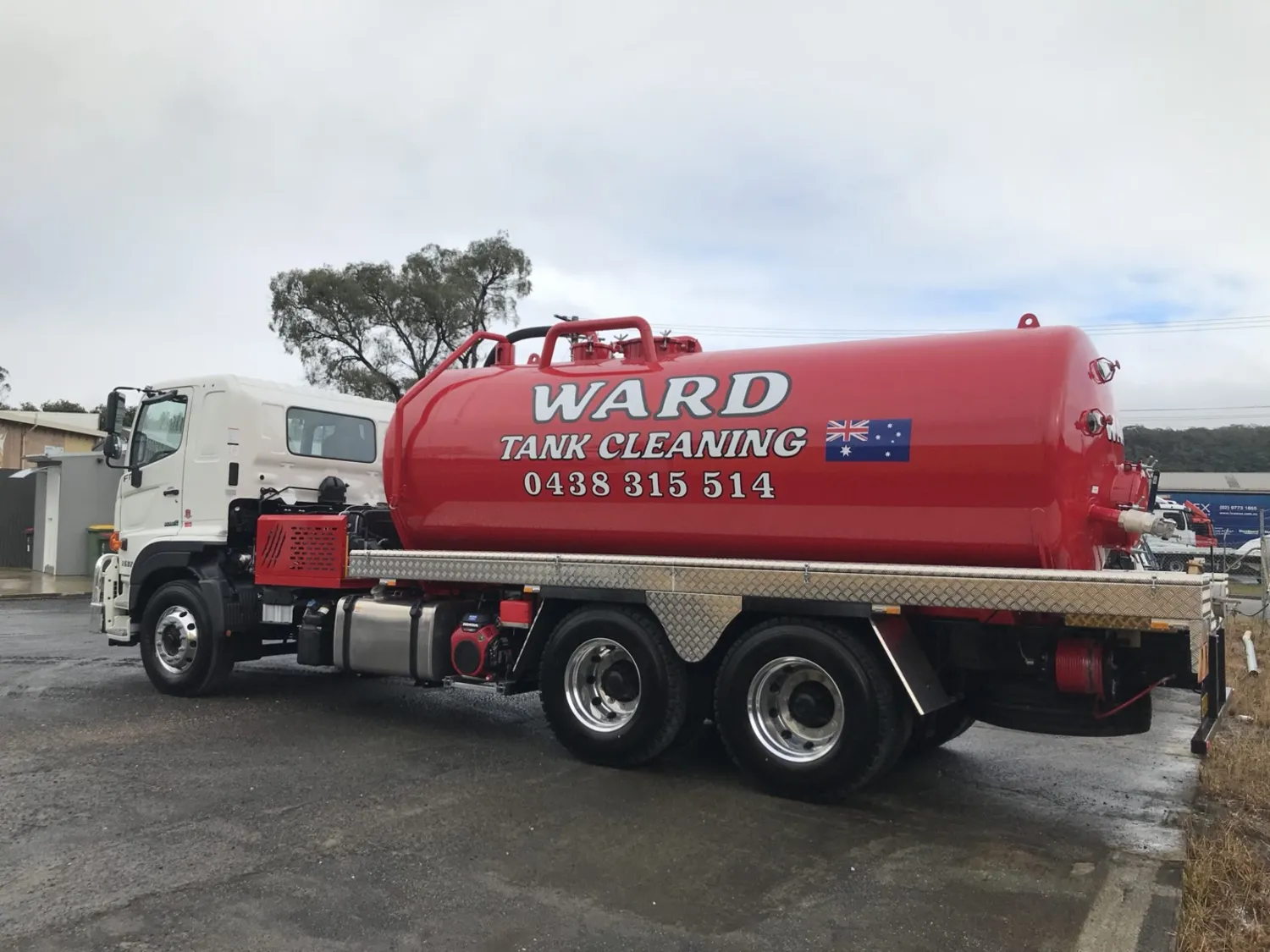
Ward Septics provides full pump-out services around the lagoon, using truck-mounted and portable units for difficult access sites. Sandy soils, sloped blocks and waterfront positions are all serviced with the environmental risks treated as part of the job, and every load is disposed of in line with NSW EPA regulations.
Wamberal Lagoon is classified as a coastal wetland, which makes a septic leak a high-risk event rather than a private nuisance. Overflow can affect groundwater and nearby vegetation, and the signs of a full or failing system are worth acting on early:
NSW Health recommends regular inspections and pump-outs every three to five years. For lagoon-side homes that may need to happen more often, depending on occupancy and how the soil drains.

The visit also covers guidance on keeping the system balanced between services. If the property has older infrastructure, or has not been serviced in years, you get a straight read on its condition and the sensible next steps, in writing.
Household size, tank capacity and water use all shift the interval. For homes around the lagoon:
| Household size | Suggested interval |
|---|---|
| 2 to 3 people | Every 4 to 5 years |
| 4 to 5 people | Every 3 to 4 years |
| 6 or more | Every 2 to 3 years |
Ward Septics works directly with property owners and caretakers to keep waste management correct and legal, with the paperwork to show it. The full service is described on the septic tank cleaning page.
The truck covers the beaches and valleys either side of Wamberal on the same trips:
Neighbouring runs: the Central Coast run, Gosford and Wagstaffe and the Bouddi Peninsula to the south.
Slow drainage, smells, or pooling water around the tank area usually means it is due for a pump-out. Around a wetland it pays not to wait for the third sign.
Use septic-safe products only. Harsh chemicals kill the bacteria that break down waste, and the system stops working from the inside out.
Yes. If untreated waste reaches the lagoon it affects water quality, native plants and local wildlife, which is exactly why this area is worth servicing on schedule rather than on symptoms.
Any time of year works. The one caveat is heavy rain: sodden ground can limit access, so if you have a choice, book ahead of the wet rather than during it.
No, a pump-out needs no approval. Ongoing maintenance of the system is required under NSW regulations though, and the written audit from each service is your record of meeting it.
Book an inspection. Tank levels get checked and you get a straight answer on whether a clean-out is needed now or can wait, plus a baseline in writing for every service after it.
Get the system checked and pumped before issues arise. Tell Paul the street, the slope and what you know of the tank's history; conditions get confirmed, the waste gets removed, and the lagoon stays out of the story.
Call and you talk to Paul, not a call centre.
Call 0438 315 514