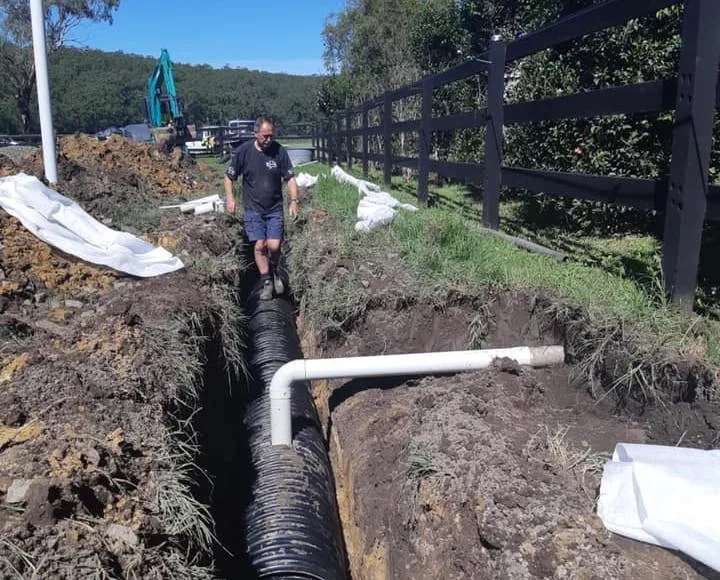
Soggy ground over the trench line, a smell that hangs around the yard, water where water should not be. Paul works out what is actually wrong before anything is dug, and installs new trenches when the old one is past saving.
Your absorption trench is a crucial but often overlooked part of your septic system. Once the solids have settled inside the tank, the trench is where the treated effluent is dispersed into the surrounding soil, the final stage that lets wastewater filter naturally before it returns safely to the environment.
Effluent flows from the tank to the trench, usually by gravity alone. From there, a combination of beneficial soil bacteria, plant roots and oxygen breaks it down until it is safe. No pumps, no moving parts: when a trench is sited, sized and built correctly, you may not need to think about it for up to five years at a time.
Swipe the diagram sideways to follow the run from the house to the trench.
A failing absorption trench announces itself the same way on almost every block. If you have noticed any of these over or around the trench line, the trench is no longer doing its job.
The lawn above the trench line turns wet, soft or spongy while the rest of the yard stays firm. Effluent that should be soaking away underground is backing up towards the surface instead.
Unpleasant smells hanging around the drain field are often the earliest warning. A healthy trench disperses effluent below ground, where the soil neutralises it before you ever notice.
Visible wastewater near the absorption area is the most serious sign. Untreated effluent at the surface is a genuine health risk, and it means the trench needs attention now, not next quarter.
Depending on how far the blockage has gone, the fix can be rehabilitation or full replacement. Catch it at the smell stage and you have far more options than at the surface-water stage. As with most septic issues, prevention is far better than cure.
The trench is usually the victim, not the culprit. By the time the ground goes soggy, the real problem has often been building for years in the tank, the pipes or the soil itself.
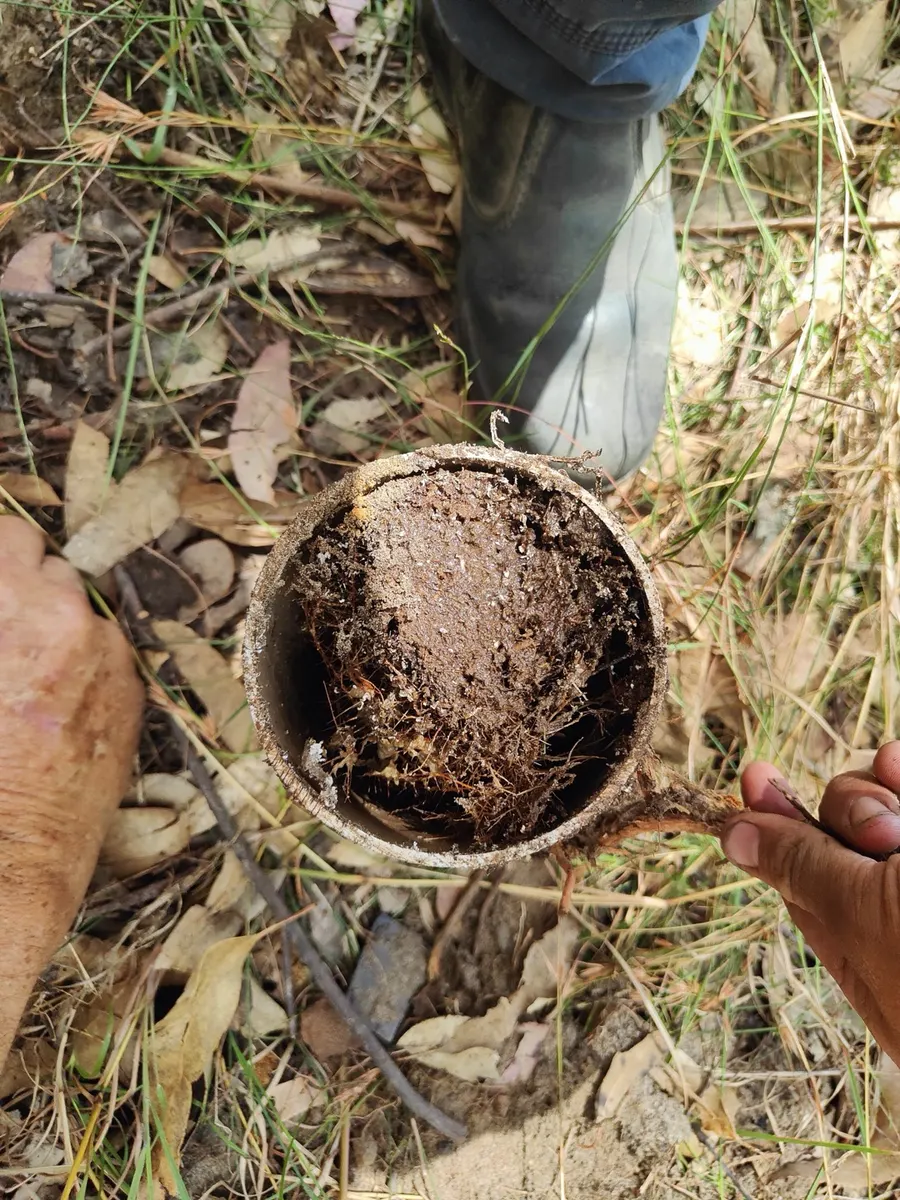
A soggy trench does not automatically mean a new trench. Paul looks at the whole system before recommending anything: the tank, the lines, the trench and the soil around it. If the trench can be saved, rehabilitation costs a lot less than replacement. If it is past saving, you will be told straight, with the reasons in plain English.
I've been in the business for over four decades and know septic systems inside and out. Don't risk quick fixes. They inevitably lead to higher costs. I'm always happy to share my experience and explain the best solution for your situation.
A well-designed, properly maintained absorption trench can last 25 to 30 years without issue. A trench let down by poor maintenance, unsuitable soil or poor construction can become ineffective, and even a health hazard, in as little as two years. Paul has seen it happen many times.
Correct site, correct size, tank pumped on schedule. The trench just quietly works.
Poor maintenance, unsuitable soil or poor construction, and the trench can fail before the lawn has grown back over it.
Solid waste has to come out of the tank through regular pump-outs, usually every five years, for the trench to stay clear. Every Ward Septics tank clean ends with a written audit of your system, so a tiring trench gets flagged while it is still a small job.
A septic tank and its absorption trench are a significant investment that works hard every single day. Looked after properly, that investment saves you time and money for decades.
Paul has written the longer version on the blog: what decides how long an absorption trench lasts, from soil type and household water use to the design of the trench itself.
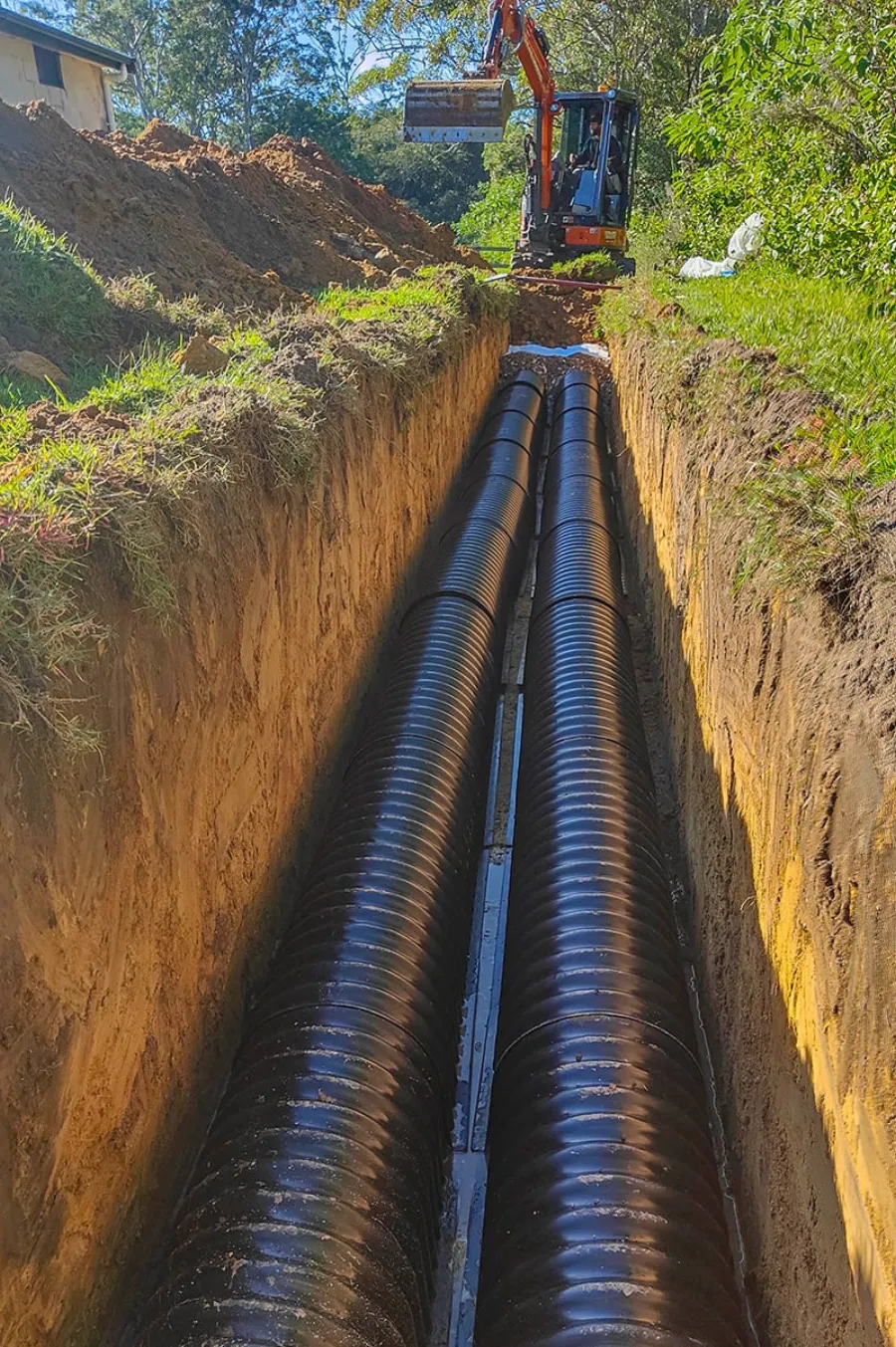
Getting the location right and the construction right at the very beginning is what decides whether a trench lasts thirty years or two. Paul installs new trenches across the Central Coast and Lower Hunter, sized and sited for your block, your soil and your household.
No two blocks need the same trench. What decides the size and design:
As a licensed plumber and drainer with decades of experience installing and maintaining septic systems, Paul makes sure trench problems are diagnosed correctly and fixed properly, whether that means rehabilitating the existing trench or laying a complete new run.
Before engaging anyone to work on your absorption trench, make sure they hold a current Plumbers or Drainers Contractor Licence. Any reputable professional will be licensed and happy to show proof when you ask. Paul is, and will. For your own peace of mind, confirm it before any commitment is made.
The trench is where treated effluent from your septic tank is safely dispersed back into the environment through the surrounding soil. Installed correctly, it is an environmentally sustainable system that can operate effectively for up to 30 years or more. That does not mean the system runs itself: solid waste still has to be removed through regular tank pump-outs, usually every five years, to keep the trench clear.
The usual tell is ground around the drain field that turns wet, soggy or smelly. That is commonly caused by solid material from the tank flowing into the trench and blocking the small openings that let liquid effluent pass into the soil. Left to continue, the trench loses its effectiveness and can eventually need full replacement, which is a costly process. The earlier it is looked at, the more options you have.
Sometimes, yes. Depending on the severity of the blockage, rehabilitation can restore safe and effective operation without a full rebuild. That is exactly why Paul diagnoses the whole system first: the answer depends on what is actually wrong, not on what is easiest to sell you.
In simple terms, the greater the load on your septic system, the larger the trench must be. Sizing depends on how many people live in the home, the soil type, how well the land drains, the size of the drain field area and the vegetation around the trench, such as trees and shrubs. Correct sizing from the start is what stops performance problems later.
A well-designed, properly maintained trench can last 25 to 30 years without issue. One let down by poor maintenance, unsuitable soil conditions or poor construction can become ineffective, and even a health hazard, in as little as two years.
Only someone holding a current Plumbers or Drainers Contractor Licence. Any reputable professional will be licensed and willing to provide proof on request, so always ask before committing to the work. Paul is a licensed plumber and drainer and is happy to show you.
Where the wet ground or the smell is, how long it has been going on, and when the tank was last pumped out. Best guess is fine. You will get a straight answer on whether it sounds like the tank, the line or the trench, and an estimate before any work starts.
Call and you talk to Paul, not a call centre.
Call 0438 315 514