
Septic absorption trenches are a crucial component of septic systems, ensuring that wastewater is properly treated and dispersed into the soil. These trenches play a vital role in maintaining a clean and healthy environment around your home. Let's dive into how they work, their benefits, and why proper maintenance is essential.
What Are Septic Absorption Trenches?
Septic absorption trenches, also known as leach trenches or drain fields, are underground structures designed to handle the effluent (or wastewater) from a septic tank. They consist of a network of perforated pipes buried in gravel-filled trenches. Once wastewater exits the septic tank, it flows into these trenches where it percolates through the soil.
The Mechanics Behind Absorption Trenches
When wastewater enters the absorption trench, it's first filtered through a layer of gravel or crushed stone. This gravel acts as a filter to remove larger particles from the effluent. From there, the wastewater seeps through the perforated pipes into the surrounding soil. The soil then acts as a natural filter, breaking down and removing contaminants through biological processes. This ensures that only clean, treated water returns to the groundwater system.
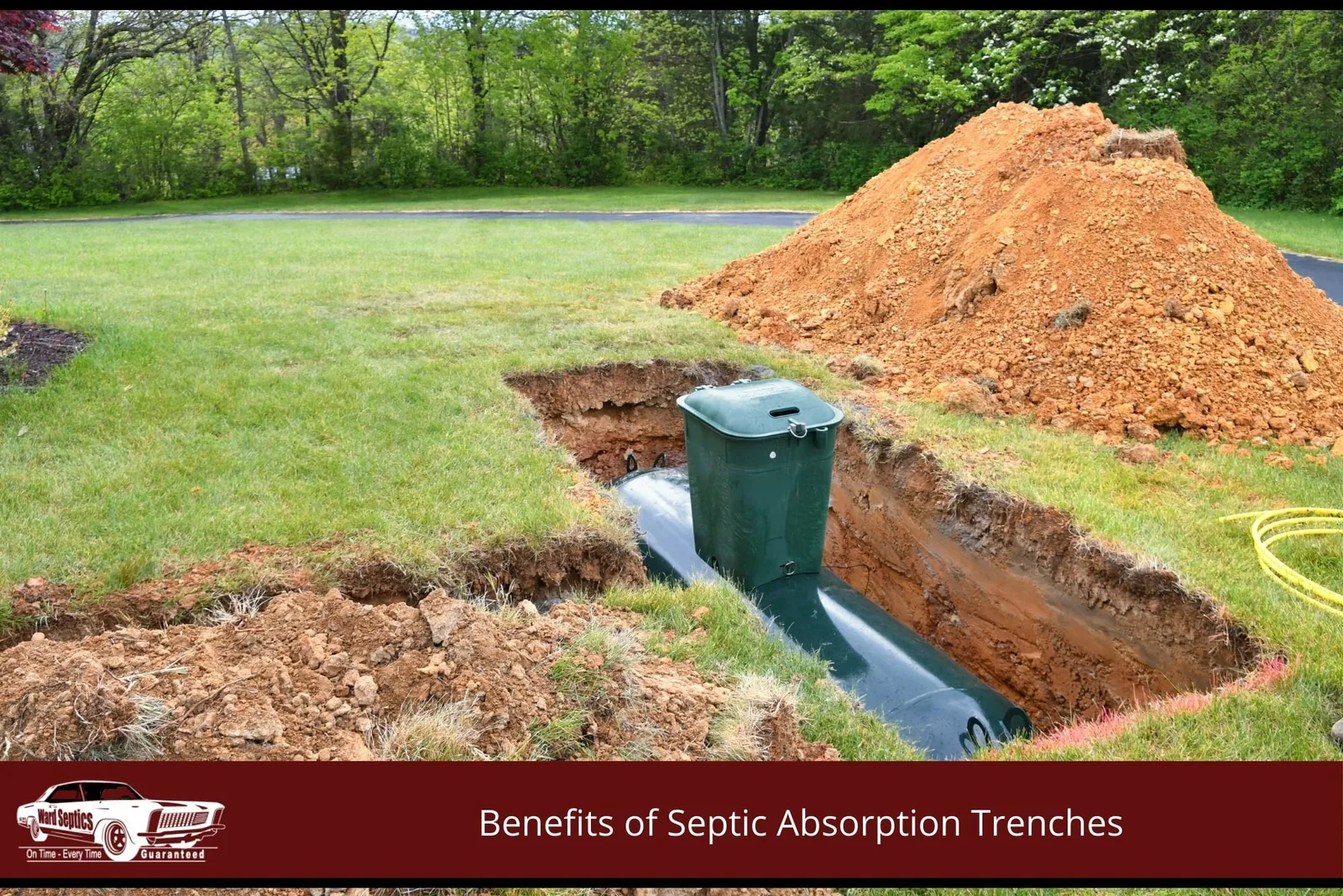
Benefits of Septic Absorption Trenches
One of the main benefits of septic absorption trenches is their ability to treat and disperse wastewater effectively. Unlike traditional septic systems that might rely solely on a single tank, absorption trenches distribute wastewater over a larger area, reducing the risk of soil saturation and system overload. This system helps maintain the balance of the local ecosystem by preventing pollutants from reaching surface water sources.
Common Issues with Absorption Trenches
Despite their effectiveness, septic absorption trenches can face several issues. Over time, the soil around the trenches can become clogged with organic matter, reducing their efficiency. Heavy use or poor maintenance can lead to system failure, resulting in unpleasant odours, surface ponding, and potential health hazards. Regular inspections and proper care are crucial to avoid such problems and extend the life of your absorption trenches.
How to Maintain Your Absorption Trenches
Maintaining septic absorption trenches involves several key practices. Avoiding the disposal of grease, oils, and non-biodegradable materials into your septic system is essential. These substances can clog the trenches and hinder their functionality. Additionally, scheduling regular inspections and pumping of your septic tank will help ensure that the system operates efficiently and that any issues are addressed promptly.

When to Seek Professional Help
If you notice signs of trouble, such as slow drainage, foul odours, or wet spots in your yard, it's time to call in a professional. Issues with absorption trenches can often be complex and may require specialised equipment and expertise to diagnose and repair. At Ward Septics, our experienced team can provide a thorough assessment and offer solutions to get your system back in top shape.
The Role of Soil in Absorption Trenches
The type of soil surrounding your absorption trenches plays a significant role in their effectiveness. Soils with good drainage properties, such as sandy or loamy soils, are ideal for septic absorption trenches. On the other hand, clayey or rocky soils can impede the flow of wastewater and lead to system inefficiencies. Understanding your soil type and its impact on your system can help in planning and maintaining your septic system effectively.
Keep Your Septic System in Top Shape
Understanding how septic absorption trenches work and recognising their importance can help you ensure a properly functioning septic system. Regular maintenance and timely intervention can prevent costly repairs and keep your system running smoothly. For expert advice and top-notch service, turn to Ward Septics. Our skilled professionals are here to help you with all your septic needs and keep your system in prime condition.
Don't wait for problems to arise, contact Ward Septics today for a comprehensive inspection and maintenance plan tailored to your needs. Keep your septic system healthy and your property safe!