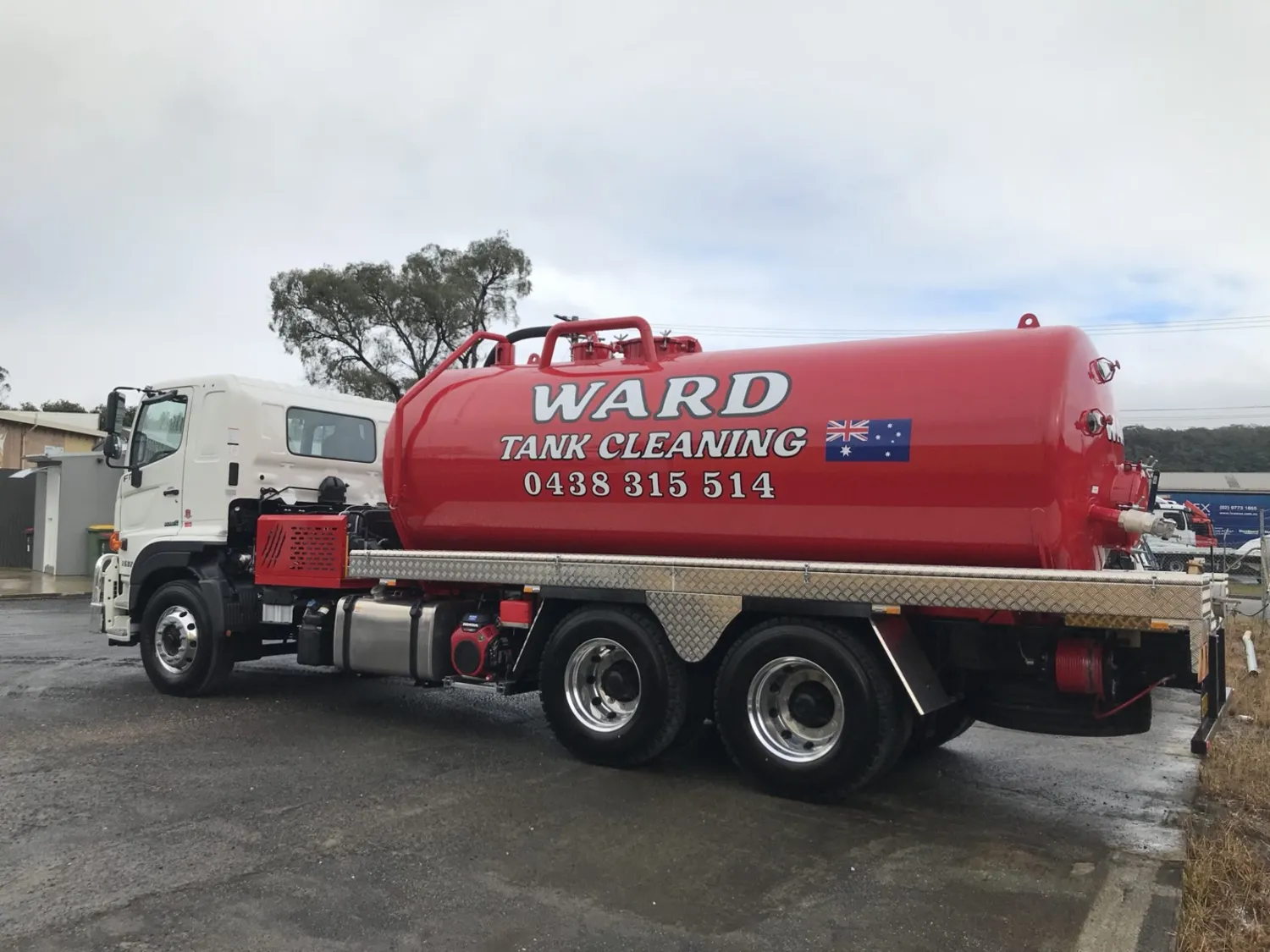
One run, two kinds of septic country: soft ground around Tuggerah Lake, and acreage up the Wyong valley. The truck covers both, usually without a wheel leaving the road.
Ward Septics has been pumping out and cleaning septic tanks for homeowners and property managers around Tuggerah and Wyong for years. Conventional tank, Flow System or advanced treatment unit, the truck handles the lot.
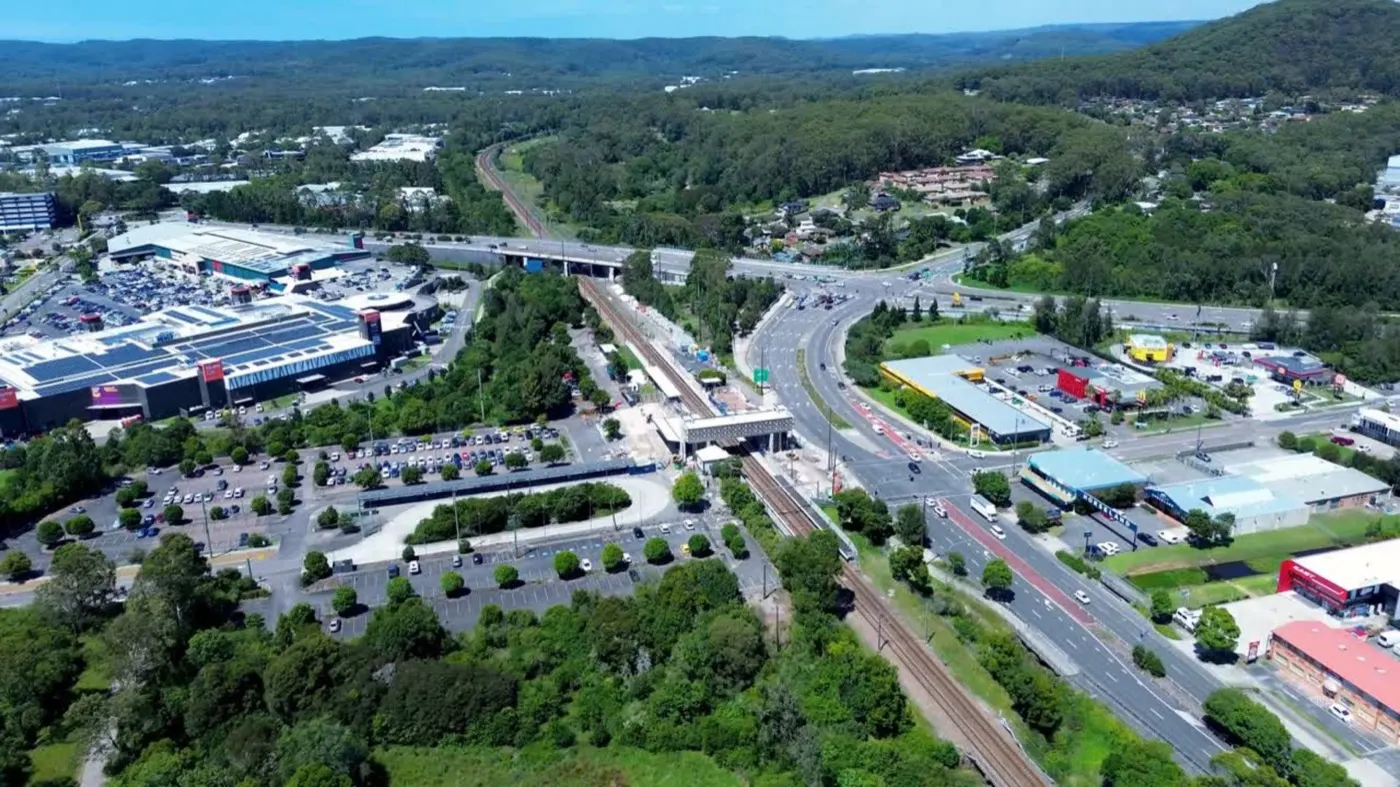
Drive through Tuggerah and you would swear the whole place is on town sewer: the Westfield, the interchange, the estates around the station. It is the streets past all that where the work is. Older homes around Wyong, acreage blocks up the valley and anything a bit too far from the mains still run their own on-site systems, and a regular clean and pump-out is what keeps those systems working and on the right side of council compliance.
This page covers the Tuggerah and Wyong run. For the rest of the patch, start at the Central Coast page.
The lake shore, the town and the valley behind it. If your suburb is not here, that is the list falling short, not the truck: ask about your address.
Neighbouring runs: the Central Coast, Gosford, the hinterland corridor and Lake Macquarie.
Tuggerah Lake is big, shallow and sensitive. A tank left too long between cleans does not just cost you a repair bill out here; the overflow ends up in the soil, the groundwater and eventually the lake everyone lives around. Keeping your system serviced is part of being a decent neighbour at Tuggerawong, Gorokan, San Remo or anywhere else along the shore.
Lakeside blocks bring their own catch: ground that stays soft half the year and lawns that will hold a truck tyre mark until Christmas. That is why the truck carries 90 metres of pump-out hose. It parks on the hard road edge, the hose walks in to the tank, and your waterlogged lawn stays a lawn.

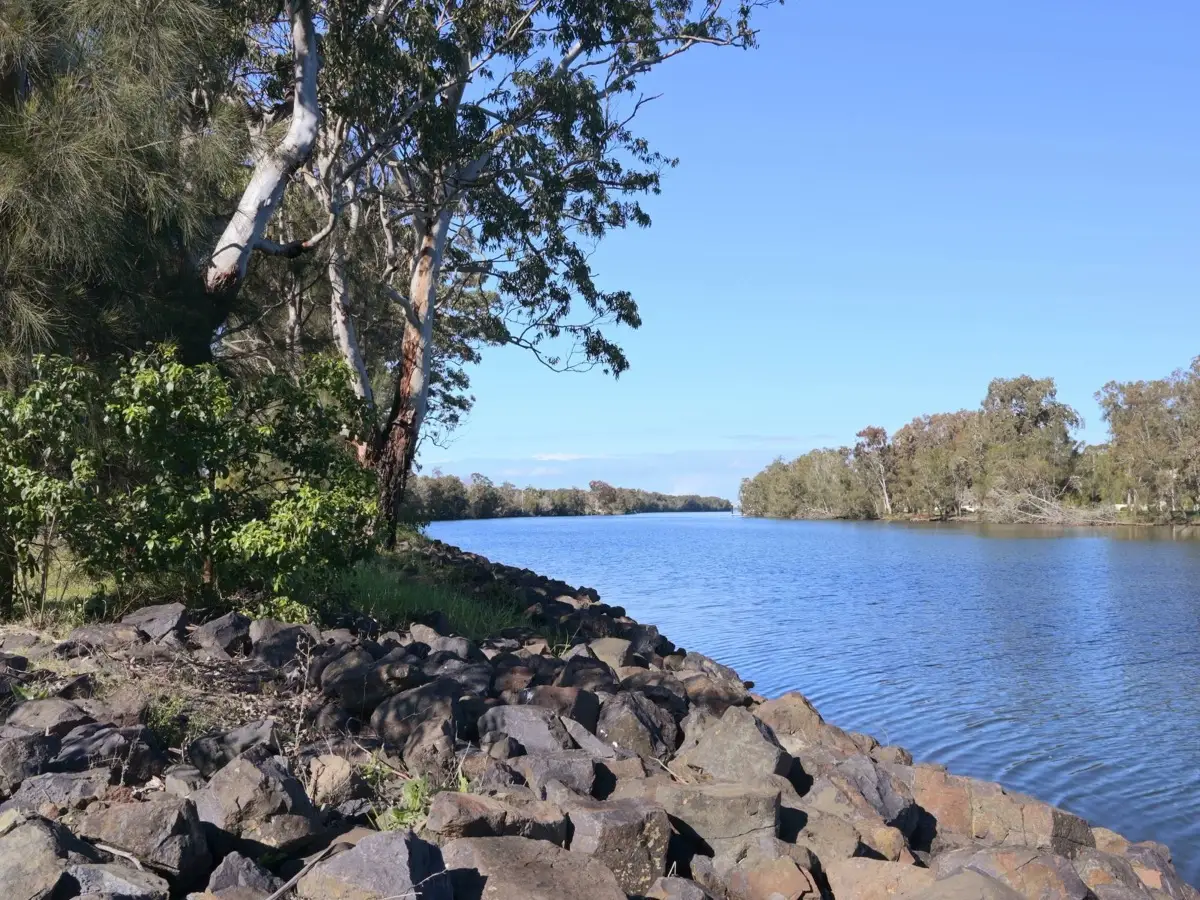
Follow the river west of Wyong and town sewer is not even a rumour. Wyong Creek and the Wyong River blocks are homes, farms and rural properties surrounded by bushland and waterways, and every one of them runs its own system.
It is honest country and it is hard on septics: soils that shift, groundwater that rises, and run-off that gives the whole system a flogging every time it rains hard. Riverfront tanks often need a clean more often than the textbook says, which is exactly the sort of thing the written audit tells you straight.
Long driveways and back-paddock tanks are a normal Tuesday out here, not an extra on the bill.
The core of the week: tank vacuumed out, cleaned properly rather than skimmed, and a written Septic Tank Cleaning Audit in your hand before the truck leaves.
Plenty of valley properties drink their own rainwater. Tank cleaning is the truck's other trade; book both tanks in one visit.
Wet patches or suspiciously lush grass over the drain field means the trench is struggling. Diagnosed first, and new trenches installed only where the old ones are past saving.
Slow or blocked drains on a septic property are usually the system talking. The jet clears the blockage and a plumber's eye works out why it happened.
Do not wait for an overflow. A routine pump-out costs far less than a system repair or a council compliance notice, and these are the signs it is time.
Sinks, showers or toilets draining slower than they used to, with no obvious blockage.
Wet patches or unusually lush grass over the drain field. The trench is telling on the tank.
Sewage smells indoors, or hanging around the tank area outside.
Gurgles from the pipes after flushing or draining: air where air should not be.
More than three to five years since the last pump-out, or you honestly cannot remember.
More people under the roof or a jump in daily water use. The tank feels it before you do.
Such lovely, warm, brilliant and knowledgeable gentlemen who were on time, polite and efficient. I wouldn't hesitate recommending Ward Septic to anyone.
Every three to five years for a typical household, depending on tank size and how many people use it. Larger families or smaller tanks can need it every one to two years. The written audit that comes with every clean tells you where your tank sits, so the next one is timed on evidence rather than guesswork.
A routine pump-out, no. If the system needs repair or upgrade work, Central Coast Council may need to be notified under the Local Government (General) Regulation, and Paul will tell you during the visit if anything reportable turns up.
Only the ground. Lakeside blocks are soft and often tight for access, so the truck stays on the road and the 90 metres of hose does the walking. Systems near the lake and the river can also work harder than the textbook allows for, which is worth a conversation when you book.
All sludge and liquid waste vacuumed from the tank, a visual inspection of the tank walls and the inlet and outlet points, and a written audit of what was found. Everything leaves in a licensed truck and goes to an approved facility, compliant with NSW EPA requirements.
Yes. Plenty of newer rural builds around Wyong run them, and they want servicing more often than a conventional tank, typically every six to twelve months. Details on the Flow System page.
Yes. Up the valley especially, the rainwater tank is the drinking water. Water tank cleaning is half of what the truck does; book both and they happen in the same visit.
Tell Paul your suburb, what the access is like and roughly when the tank was last cleaned, near enough is fine. Tuggerah and Wyong jobs slot into the weekly runs fast, and soft ground or a long driveway is normal work here.
Call and you talk to Paul, not a call centre.
Call 0438 315 514