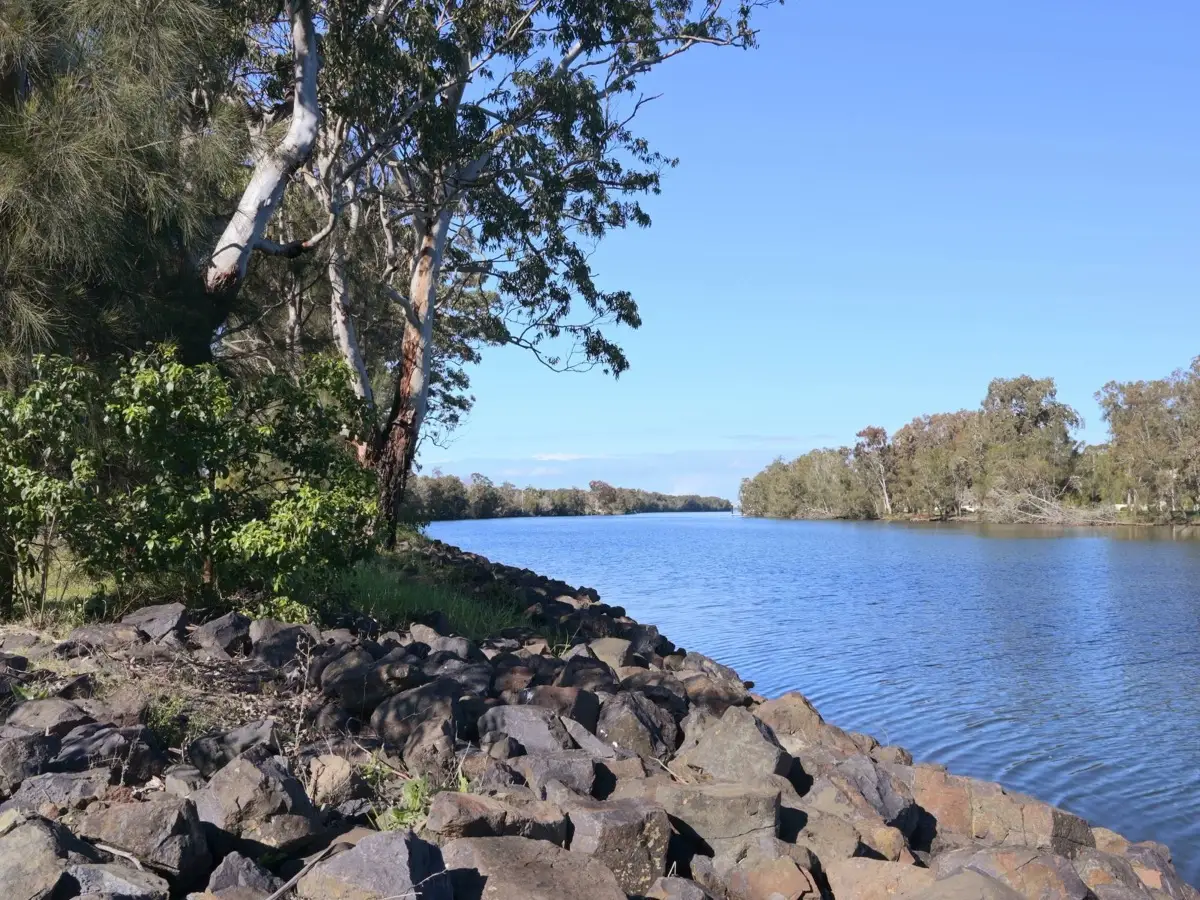
Riverfront and rural blocks along the Wyong River work their septic systems harder than most. When you call, you speak to Paul, and Paul is the one who turns up.
If your property sits near the Wyong River, keeping the septic system maintained is not just housekeeping. It protects your household, and it protects the waterway at the bottom of the paddock.
Ward Septics services riverfront and rural properties along the river with cleaning and pump-outs built around how these blocks actually behave: fluctuating groundwater, soil that shifts with the seasons, and drainage that gets no favours from a wet winter. Those conditions put extra strain on a septic system, which is exactly why the maintenance cycle matters more out here, not less.
The price is agreed before the truck rolls, and nothing is handed to subcontractors. One truck, one operator, one quoted price.
A tank that has quietly filled with sludge has nowhere to send the next wet week. On river blocks that shows up as:
A pump-out on a sensible schedule keeps the system inside its margins and keeps the local river ecosystem out of the story. That is the whole job.
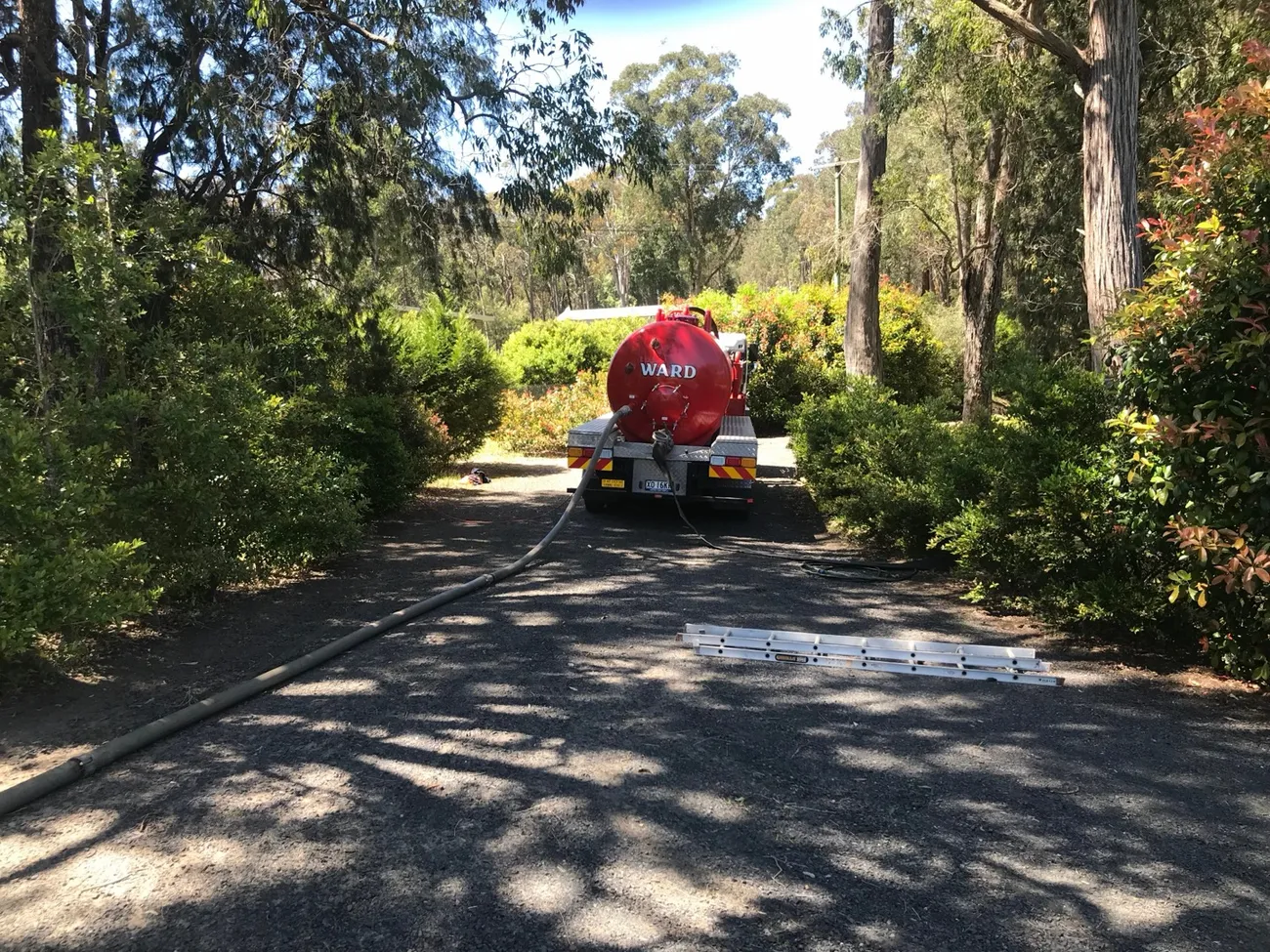
Safe vacuum removal of sludge and waste to keep the system flowing as designed, carried away sealed and disposed of at a council-approved facility. The full pump-out service.
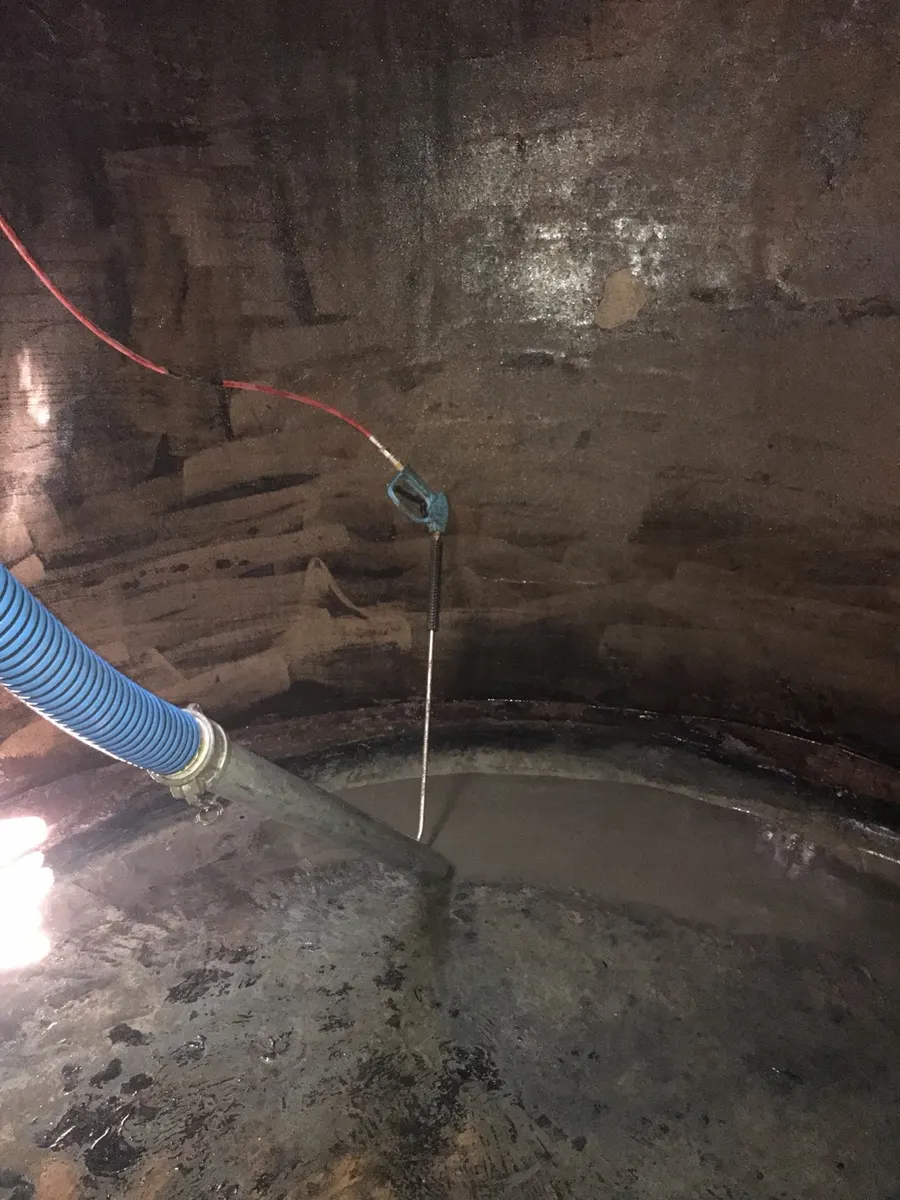
Deep cleaning and internal checks with the tank empty: walls, baffles, inlet and outlet, so the system goes back to work with a known baseline.
Installation and repair of absorption trenches for efficient wastewater dispersal, which is where river-country drainage usually shows its age first. Diagnosis before shovels.
Blocked pipes and drainage lines located, cleared and explained, so the cause gets fixed rather than revisited.
Ward Septics is operated by Paul, a licensed plumber with more than 45 years in the trade, much of it specialising in septic systems.
That experience is what a river block needs: someone who understands what fluctuating groundwater does to soil absorption, what a drainage field can and cannot cope with, and how to keep a system healthy without disturbing the property it sits on. Each visit ends with a written audit of the system's condition and an honest recommendation for the service schedule that suits your tank, not a generic calendar.
An overflowing or blocked tank is a different conversation: it needs attention promptly, for your household's health and for the river. If that is where you are, call Paul directly on 0438 315 514.
Most septic tanks need cleaning every three to five years. Riverfront properties often sit at the shorter end of that range, because high moisture and groundwater levels give the soakage area less margin to work with.
Rather than guessing, Ward Septics assesses each system on its own conditions and recommends a service schedule that prevents overflow and keeps the system working long-term. The written audit from each visit is the evidence the next booking gets timed on.
Homes, farms and rural properties are all serviced, and if the block also drinks its own rainwater, the same truck cleans water tanks in the same visit.
The Wyong River blocks sit on the same weekly run as Tuggerah, Wyong and Wyong Creek, with the valley acreage up through Yarramalong and the wider Central Coast run around it. Browse every area from the locations page.
Water use, household size and soil type set the baseline. Riverfront properties may need more frequent cleaning on top of that, because high moisture and groundwater levels work the soakage area harder. Three to five years is the usual range; your written audit narrows it for your tank.
Yes. Wastewater from a poorly maintained system can reach nearby waterways. Routine servicing is what prevents contamination and keeps the local water healthy, which is why the maintenance cycle is taken seriously along the river.
During an inspection Paul evaluates soil absorption, drainage and tank condition against environmental standards. If the system is under strain, you hear it straight, along with the practical options.
That pattern often means overflow or drainage pressure from rising groundwater. Book an inspection before it becomes a bigger problem; on a river block the window between a smell and a surfacing trench can be short.
Yes. A pump-out and inspection for a recently purchased property establishes the system's condition and its maintenance needs, and the written audit gives you the baseline every later service gets measured against.
From $600 as a rule of thumb, rising with tank size, with the estimate given before any work starts. Full pricing detail is on the septic tank cleaning page.
Tell Paul the address, the access and roughly when the tank was last cleaned. River and rural blocks are the truck's regular work, and 90 metres of hose means the driveway stays a driveway.
Call and you talk to Paul, not a call centre.
Call 0438 315 514