
Managing wastewater is essential for every property, but it becomes more complex on uneven or rocky ground. A septic system in these conditions faces faster runoff on slopes and limited soil absorption on rock. Without proper maintenance, these issues lead to early failures, contamination, and costly repairs.
Many homeowners do not recognise that tanks and drainfields on difficult terrain require more frequent attention. Delayed servicing can result in solids entering the drainfield, water pooling, or reduced treatment capacity. These problems put both the property and local environment at risk.
The solution is structured care. With professional installation, scheduled pumping, water flow control, and careful drainfield protection, septic systems can remain reliable for decades even on challenging terrain. This combination provides the best approach to keeping treatment safe and effective.
Challenges of Sloped and Rocky Terrain
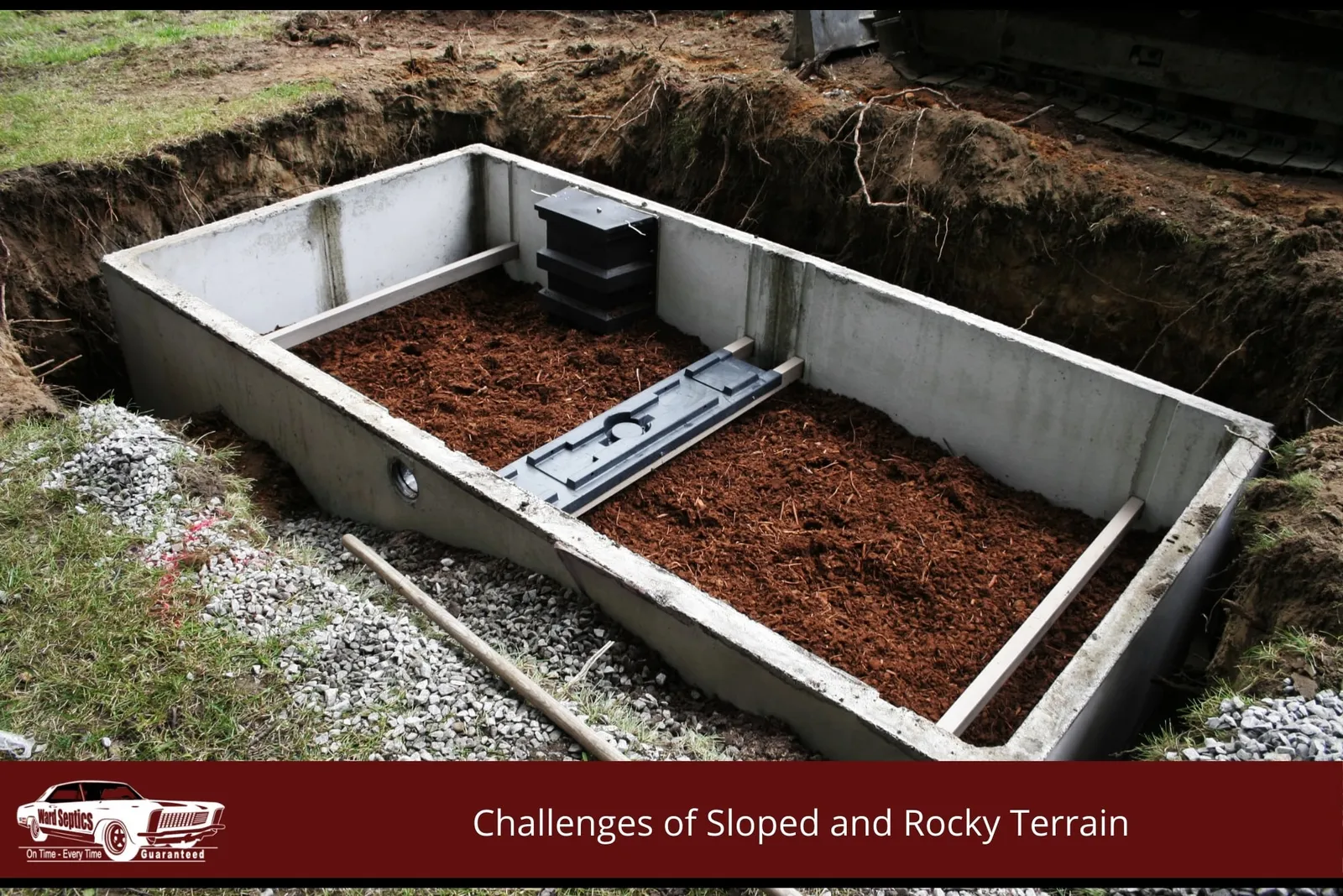
Septic systems rely on stable ground conditions to treat wastewater effectively. On sloped land, water drains quickly, reducing treatment time and increasing the risk of effluent reaching soil before proper filtration occurs. Gravity can overload trenches, creating pooling or uneven distribution.
Rocky terrain introduces different problems. Shallow soil layers restrict trench depth, while uneven rock limits even dispersal of effluent. In some cases, rock pockets create pathways where untreated water moves without filtration. These conditions also complicate installation, as tanks may be exposed to soil pressure or shifting during wet seasons.
Professional system design accounts for these risks. Installation may include reinforced trenches, compacted soil layers, or additional treatment units to extend retention time. Addressing challenges during installation makes ongoing maintenance more predictable and reduces the likelihood of costly system failure.
Scheduled Pumping and Inspections
Routine servicing is essential for keeping a septic system operational on difficult terrain. Tanks accumulate solids that must be removed before they overflow into the drainfield. Sloped and rocky blocks often increase the rate of solids build-up due to uneven flow and pressure.
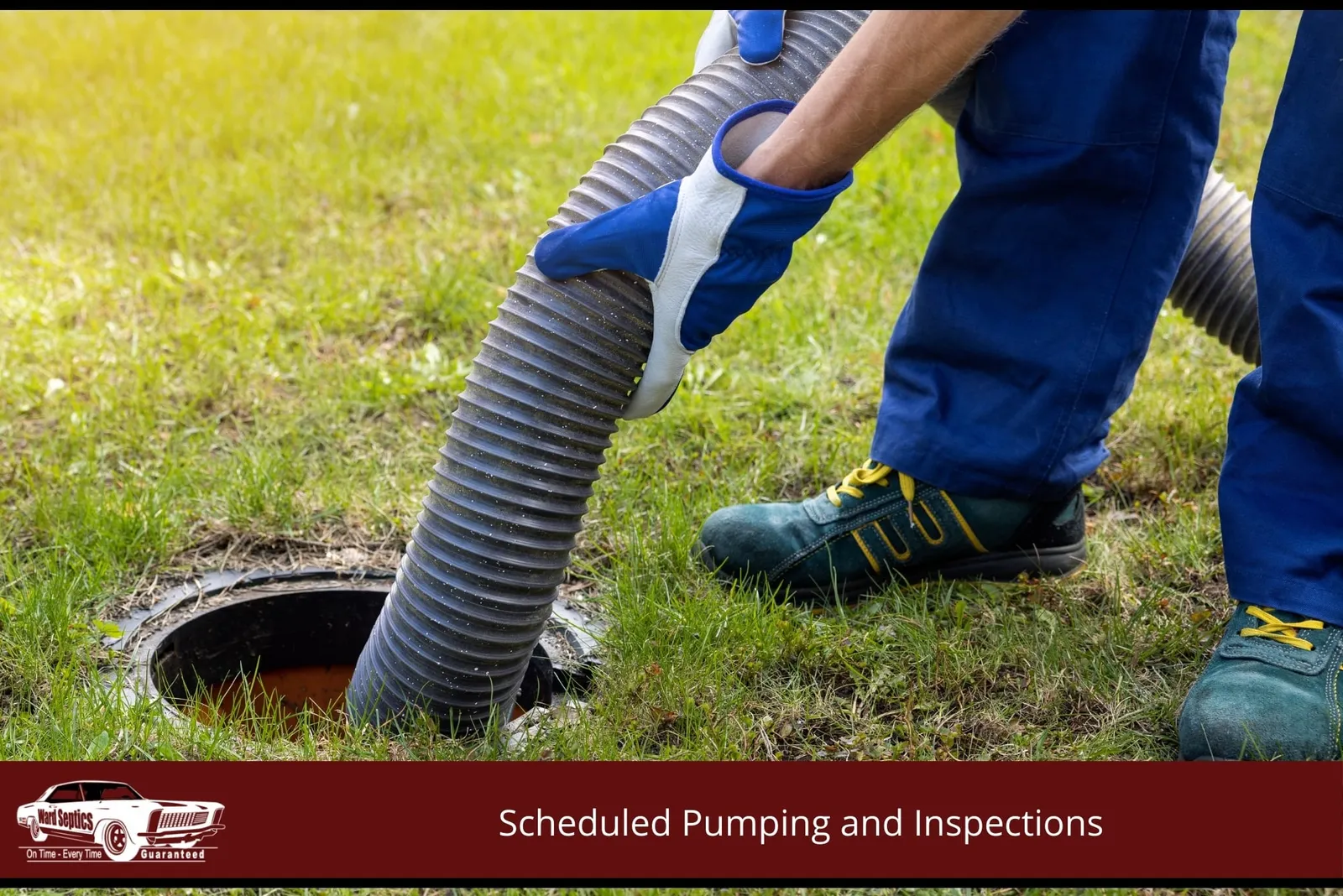
Most systems require pumping every three to five years, but Australian guidelines recommend shorter intervals when tanks are under stress from soil movement or shallow trenches. On some properties, two-year intervals are appropriate. During each service, technicians inspect inlet and outlet baffles, check tank walls for cracks, and confirm that effluent levels remain stable.
Regular inspections also detect early warning signs such as leaking seals or changes in soil stability around the tank. Identifying these issues prevents minor faults from becoming system-wide failures. Consistent servicing ensures wastewater continues to meet health and environmental requirements.
Managing Water Flow
Excess water is one of the most common reasons for septic failure on sloped and rocky sites. On sloped ground, rapid water movement reduces filtration. On rocky terrain, thin soil layers absorb less, leaving the system vulnerable to overflow. Careful water use protects both the tank and drainfield.
Practical measures include repairing leaking taps and toilets, spacing laundry loads across the week, and installing low-flow fixtures to limit daily demand. Roof and surface runoff should be diverted away from the septic area through downpipes and drainage channels. These steps reduce hydraulic stress and allow the system to operate within capacity.
Managing water flow is not a one-time task. Regular checks of household fixtures and site drainage ensure the system receives only the flow it is designed to handle. This approach extends service life and lowers the likelihood of early replacement.
Protecting the Drainfield
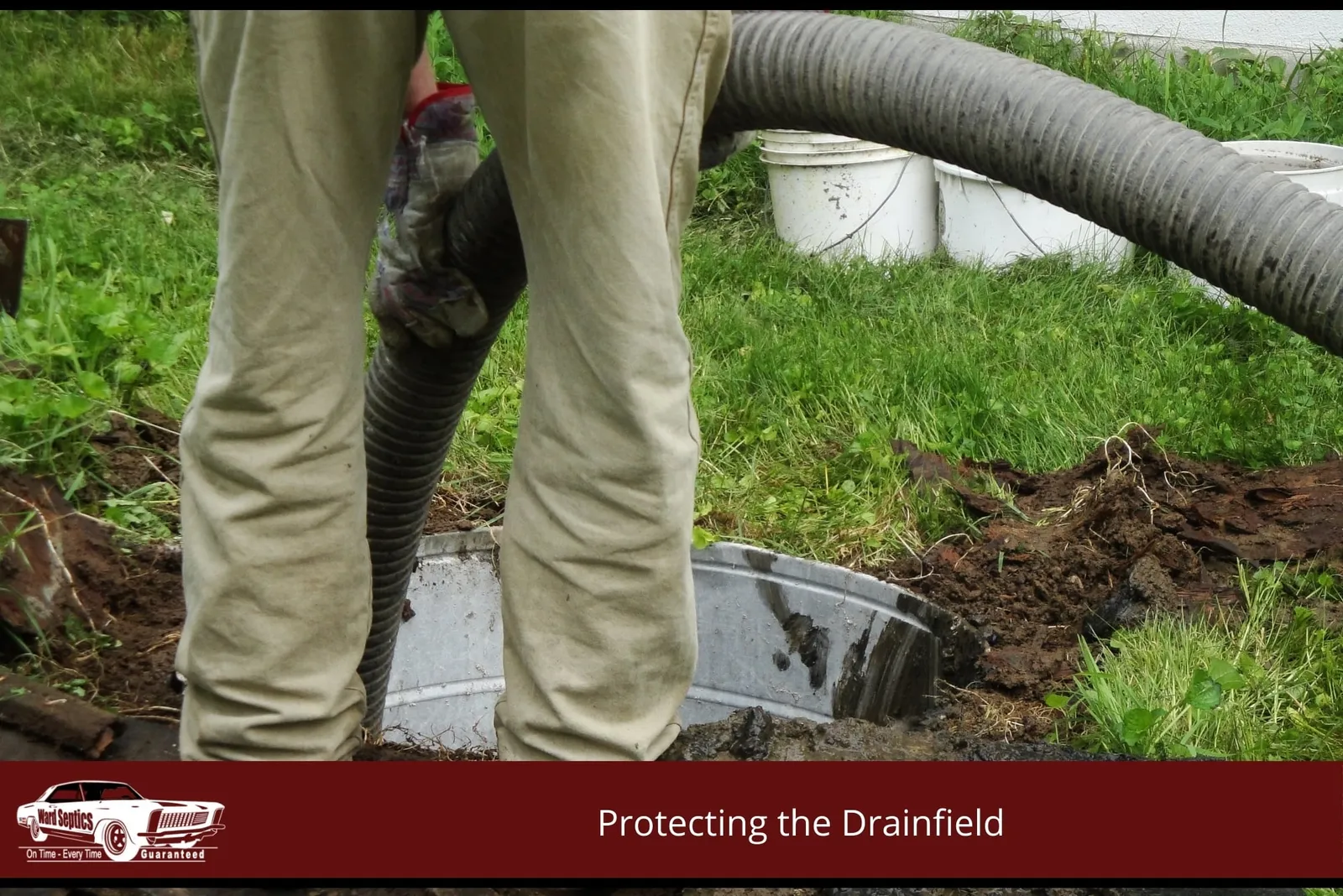
The drainfield filters and disperses wastewater into the soil. On sloped or rocky blocks, this area is more fragile due to shallow soil depth and reduced absorption. Protecting the drainfield is critical to maintaining safe treatment.
To keep the area functional, heavy machinery and vehicles must be excluded. Deep-rooted plants should not be placed nearby, as roots can penetrate pipes. Grass or shallow-rooted plants are recommended to stabilise soil. Monitoring for signs of failure is essential. Wet patches, strong odours, or unusually fast grass growth all indicate reduced absorption capacity.
When warning signs are detected, inspections should be arranged immediately to confirm whether pipes, trenches, or surrounding soil need corrective work. Early maintenance avoids the expense of full system replacement and ensures the drainfield continues operating effectively.
Long-Term Support
A septic system on difficult terrain requires structured long-term servicing. Routine inspections, scheduled pumping, and site-specific adjustments keep tanks and trenches compliant with environmental standards. Professional care reduces the risk of system collapse and protects surrounding land and water.
At Septic Cleaning, our technicians provide services across regional and rural areas. Work includes tank pumping, inspections, and tailored maintenance plans for sloped and rocky blocks. Each service is documented with findings and recommended intervals for follow-up visits.
Households can access support through septic cleaning service areas. For assistance, scheduling, or advice on site-specific requirements, reach out through contact us to arrange a consultation.
FAQs on Septic Systems in Difficult Terrain
How often should tanks on rocky sites be pumped?
Every three to five years is standard, but rocky terrain often requires intervals as short as two years.
What are early signs of drainfield failure?
Wet patches, odours, or uneven vegetation growth are common signs the drainfield is under stress.
Can septic tanks be installed in shallow soil?
Yes. Professional installation adapts trench depth and layout, but requires more frequent maintenance.
Does slope affect wastewater treatment quality?
Yes. Faster water movement on slopes reduces treatment time, requiring additional monitoring.
Are advanced treatment units necessary on some sites?
Yes. Secondary treatment units are used where soil absorption is limited or slope is steep.