Septic systems are a common way to manage wastewater on NSW properties without access to a centralised sewer. Because a poorly installed or poorly maintained system can contaminate soil and waterways, NSW regulates septic tanks closely, covering everything from the initial council approval through to the ongoing standards a system must meet once it’s operating.
This guide covers both sides of that: the approvals and permits you need before and after installation, and the broader regulations, system types and compliance requirements that apply for as long as the system is in use.
Local Council Approval
In NSW, installing a septic tank requires formal approval from the local council. Septic tanks are regulated as On-Site Sewerage Management Systems (OSMS), and councils set strict conditions to protect health and the environment.
To gain approval, property owners generally need to
- Submit an application form with detailed system plans
- Provide a site and soil assessment from a qualified professional
- Pay council processing fees for the application
- Meet setback requirements from watercourses, buildings, and property boundaries
Council officers assess these details to confirm whether the land is suitable for a septic system. Factors such as soil type, drainage, and environmental impact are reviewed before approval is issued. No installation work can begin until this approval is granted. Installing a septic tank without council consent may result in fines and future compliance problems when renewing operating approvals.
Site and Soil Assessments
A site and soil assessment is mandatory for septic tank approval in NSW. It determines whether the property can safely manage wastewater and guides how the system should be designed. Councils will not progress an application without this report.
The assessment, completed by a qualified professional, usually reviews
- Soil type and its ability to absorb and filter effluent
- Land slope and its impact on drainage and disposal areas
- Distances from buildings, boundaries, and property features
- Proximity to watercourses, dams, or bores
- Suitability of the site for trenches or irrigation areas

The findings ensure the system can be installed without contaminating soil or water. Submitting a complete and accurate report avoids delays and helps confirm the design meets both council and state requirements.
Choosing the Right Septic System Type
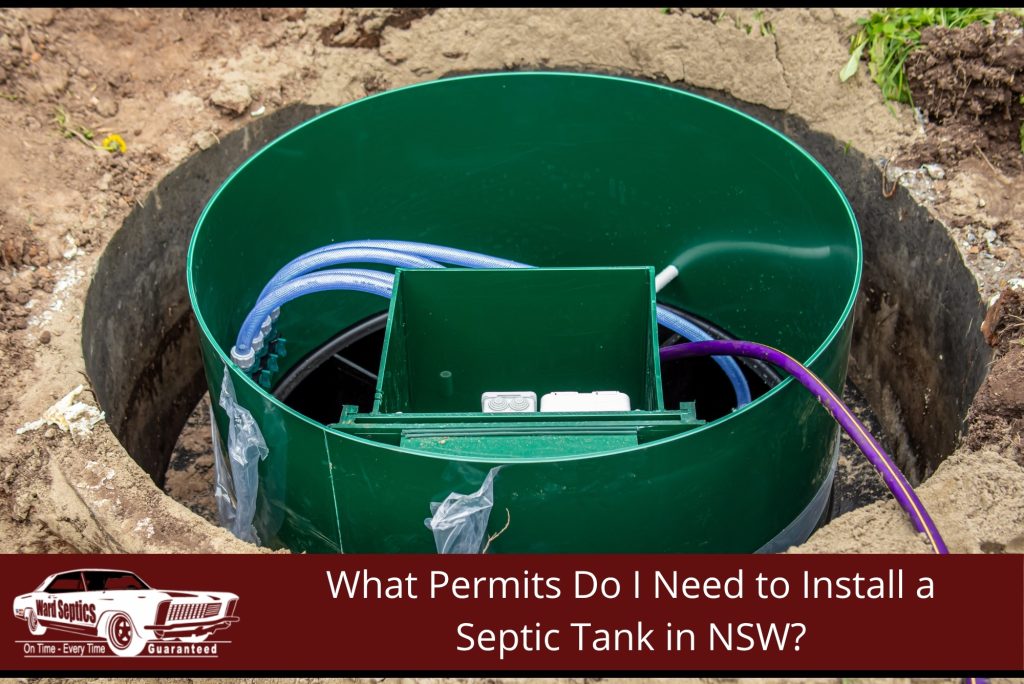
Part of a successful application is choosing a system that suits your site. NSW approves several types of septic systems, from traditional septic tanks through to aerated wastewater treatment systems (AWTS), which offer a higher level of treatment.
Soil type, property size and expected wastewater volume are the key factors in choosing the right system, and different brands offer different models within each type. Difficult sites, such as those with a high water table or a steep slope, need special attention. A site and soil assessment, combined with professional advice, will determine the most suitable and compliant system, which helps avoid problems once it’s installed.
Installation Permits and Licensed Installers
Once council approval is granted, only licensed plumbers or accredited septic installers can carry out the work. In some NSW council areas, an additional permit may be required before construction can begin. This ensures all installations are completed to regulation standards.
During installation, the system must follow the approved design and comply with NSW Health and EPA environmental requirements. After the work is completed, the council or an accredited certifier inspects the septic tank and disposal area to confirm they are installed correctly and safe to operate.
If the system passes inspection, a Certificate of Compliance or equivalent document is issued. This certificate confirms the system is operational and fit for long-term use. Without it, property owners cannot obtain an Approval to Operate, which is required for ongoing use.
Approval to Operate
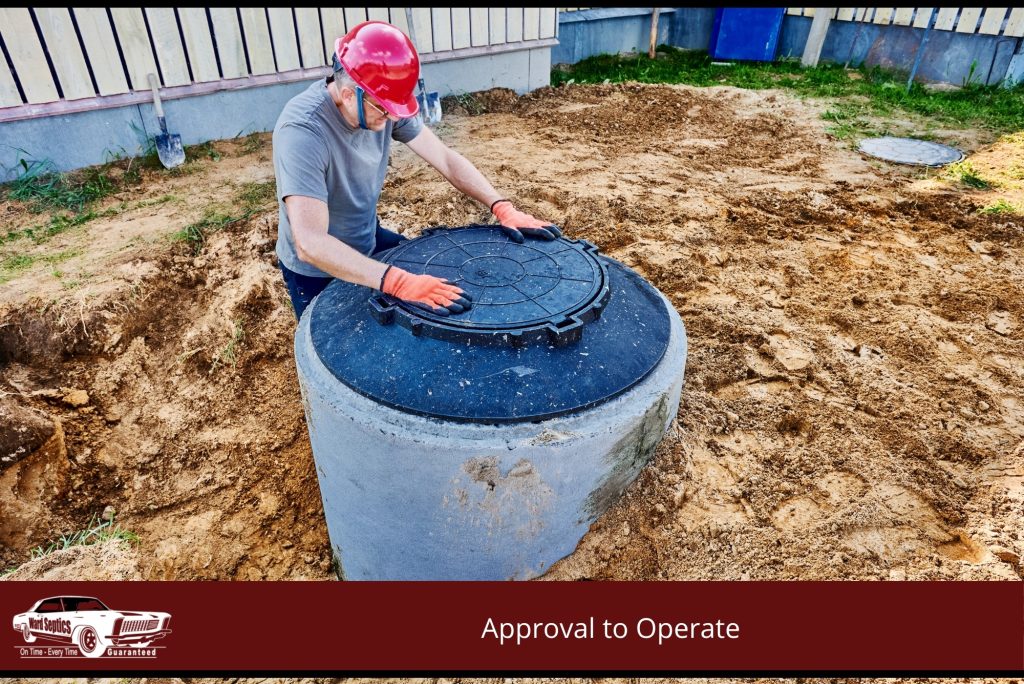
In NSW, installing a septic tank is only the first stage. Property owners must also hold an Approval to Operate, which authorises ongoing use of the system.
Key points to know:
- Operating approvals are issued by councils for three to five years
- Renewals require submitting maintenance or pump-out records
- Failure to renew can result in fines and compliance action
- Current approvals are often checked during property sales, affecting conveyancing
Keeping approvals current and servicing the system on schedule ensures the septic tank remains safe to use and compliant with NSW regulations.
For day to day upkeep between renewals, see our full guide to septic tank maintenance.
Other Regulations to Keep in Mind
Alongside council approvals, septic tank installations in NSW must comply with state regulations. NSW Health and the Environment Protection Authority (EPA) set standards to prevent pollution and protect the environment.
Key requirements include
- Setback distances from watercourses, dams, bores, buildings, and property boundaries
- Compliance with NSW Health and EPA guidelines for environmental safety
- Extra permits for properties located in environmental or heritage zones
- Ongoing system operation and maintenance to meet state standards
Because requirements can vary between councils, property owners should confirm rules directly with their local authority before planning work. Meeting both state and local regulations avoids delays, ensures compliance, and reduces the risk of penalties during inspections or renewals.
Ongoing Compliance: Inspections and Auditspprovals
Regular inspections are essential for verifying ongoing compliance with septic system regulations. A qualified inspector is needed to carry out these assessments, typically checking tank integrity, the condition of inlet and outlet pipes, and how well the drain field is performing. Local council requirements set how often these inspections are needed.
Scheduling inspections is the property owner’s responsibility. If an inspection identifies a problem, it needs to be addressed promptly. It’s also worth requesting an audit after a tank clean out or pump out, to confirm the service was successful and the system is operating properly.
What Happens If You Don’t Comply
Not following septic tank regulations in NSW carries real consequences. Local councils or the EPA can issue financial penalties, along with formal notices requiring corrective action within a set timeframe. Common examples of non-compliance include installing a system without the required approval, letting maintenance lapse to the point of leaks or backups, and allowing untreated wastewater to reach waterways or groundwater.
Addressing problems early keeps costs and risk down. Left unresolved, issues tend to get more expensive and can lead to further compliance action or environmental damage, on top of the original penalty.
Getting Help with Approvals
The process of applying for septic tank permits in NSW can feel complex, especially for first-time property owners. Applications must include detailed plans, soil reports, and compliance with both council and state rules. Missing information often leads to delays or rejection.
Working with licensed professionals makes the process easier. They can prepare the required documentation, ensure inspections pass, and confirm that the installation meets all environmental and safety standards. Professional input also helps avoid costly mistakes during construction or operation.
If you are unsure which permits apply to your property or need assistance with approvals, arranging expert support is recommended. You can contact Septic Cleaning to discuss permit requirements, organise inspections, or schedule servicing. Taking this step ensures the system is installed and maintained in line with NSW regulations.
FAQs About NSW Septic Tank Regulations and Permits
Do all councils in NSW require permits for septic tanks?
Yes. Every council in NSW requires approval before installation, but specific conditions and fees can vary by location.
How long does it take to get septic tank approval?
Approval times differ between councils. Most applications are processed within a few weeks, provided the site and soil assessment is complete.
Is a licensed plumber required to install a septic tank?
Yes. NSW regulations require installation to be completed by a licensed plumber or accredited septic installer.
What happens if I install a septic tank without approval?
Installing a system without council approval can result in fines and orders to remove or replace the system. It can also cause legal issues when selling the property.
Do permits need to be renewed after installation?
Yes. An Approval to Operate must be renewed, usually every three to five years, to confirm the system is maintained and safe to use.
What type of septic system can I install in NSW?
NSW approves several types, including traditional septic tanks and aerated wastewater treatment systems (AWTS). The right choice depends on your soil, site and wastewater volume, confirmed through your site and soil assessment.
What happens if my septic system fails an inspection or audit?
You’ll need to fix the identified issue within the timeframe your council or inspector sets. Ongoing non-compliance can lead to fines or formal compliance notices.
Further Resources and Support
For further guidance, the NSW Environment Protection Authority and your local council’s website both publish approved system lists, maintenance advice and compliance guidance specific to your area.
If you’re experiencing septic system trouble in the Central Coast or Hunter Valley, Ward Septics offers dependable cleaning, maintenance and repair services, including tank pump outs, full system clean outs and solutions for failing absorption trenches. We proudly service Somersby, Mooney Mooney, Mangrove Mountain, Spencer, Laguna, Wollombi and the surrounding areas.
Call 0438 315 514 to discuss your septic system’s specific regulatory or maintenance needs.