
If you are wondering how much water tank cleaning costs you are not alone. Many homeowners only start asking this question when they notice changes in water quality or realise their tank has not been cleaned for a long time. While prices can vary there are clear and realistic cost ranges that most residential properties fall within.
In Australia professional water tank cleaning generally costs between three hundred and nine hundred dollars. The final price depends on the size of the tank, how long it has been since it was last cleaned and how much sludge or contamination has built up inside. For most standard rainwater tanks the cost sits comfortably within this range.
Average Water Tank Cleaning Cost
| Tank size | Typical capacity | Estimated cleaning cost |
|---|---|---|
| Small tank | Two thousand to five thousand litres | Three hundred to four hundred and fifty dollars |
| Medium tank | Five thousand to ten thousand litres | Four hundred and fifty to six hundred and fifty dollars |
| Large tank | More than ten thousand litres | Six hundred and fifty to nine hundred dollars or more |
These prices usually include pumping out the tank, removing built up sludge and debris and thoroughly cleaning the inside so the tank is left hygienic and ready to be used again as part of a professional water tank cleaning service.
Because every tank is different these figures should be used as a guide only. The overall condition of the tank plays a major role in determining the final cost.
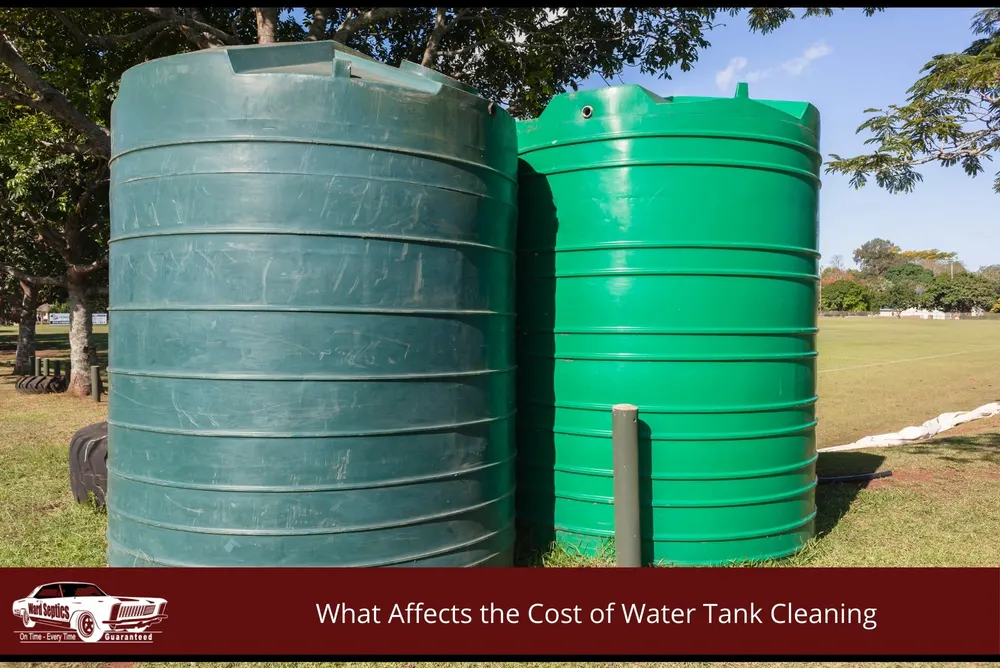
What Affects the Cost of Water Tank Cleaning
There is no single fixed price for water tank cleaning because no two tanks are ever the same. Several practical factors influence how long the job takes and how much work is required.
The most common factors that affect cost include
- Tank size and total capacity
- Amount of sludge sediment and debris inside
- How long it has been since the last professional clean
- Ease of access to the tank and surrounding area
- Contamination such as animals algae bacteria or organic matter
It is very common for tanks that look fine from the outside to contain significant buildup inside which only becomes visible once the tank is inspected.
What Can Be Found Inside a Dirty Water Tank
Over time water tanks can collect a wide range of unwanted material especially in systems that rely on roof catchments or have limited filtration.
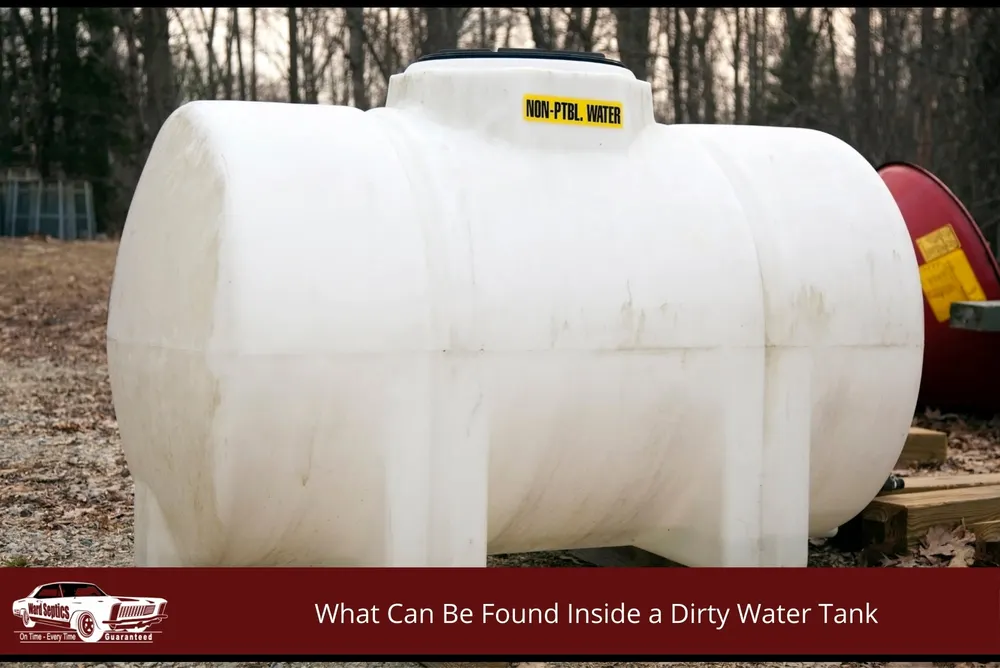
Common contaminants found inside dirty water tanks include
- Leaves and organic debris
- Algae fungal growth and bacteria
- Frogs insects rodents and snakes
- Thick layers of sludge and sediment
When contamination reaches this level cleaning becomes more time consuming and requires proper equipment and safe entry procedures which can affect the overall cost.
What Is Included in a Professional Water Tank Clean
A professional water tank clean involves much more than simply flushing water through the system. It is a structured process designed to remove contamination safely and thoroughly.
A standard professional clean typically includes
- Pumping out contaminated water from the tank
- Safe entry into the tank using confined space procedures
- High pressure cleaning of internal walls and base
- Removal of loosened sludge debris and sediment
- Leaving the tank clean and ready to be refilled
Pumping out contaminated water is a critical part of the process and is also available through our pump out services when required.
When done properly a water tank can be restored to a condition very close to when it was first installed.
How Often Should a Water Tank Be Cleaned
Most residential rainwater tanks should be professionally cleaned every two to three years to maintain good water quality and system performance.
Cleaning may be needed sooner if you notice any of the following
- Unpleasant tastes or smells in your water
- Visible sediment coming from taps
- Reduced water pressure
- Algae growth inside the tank
- Recent contamination from animals or debris
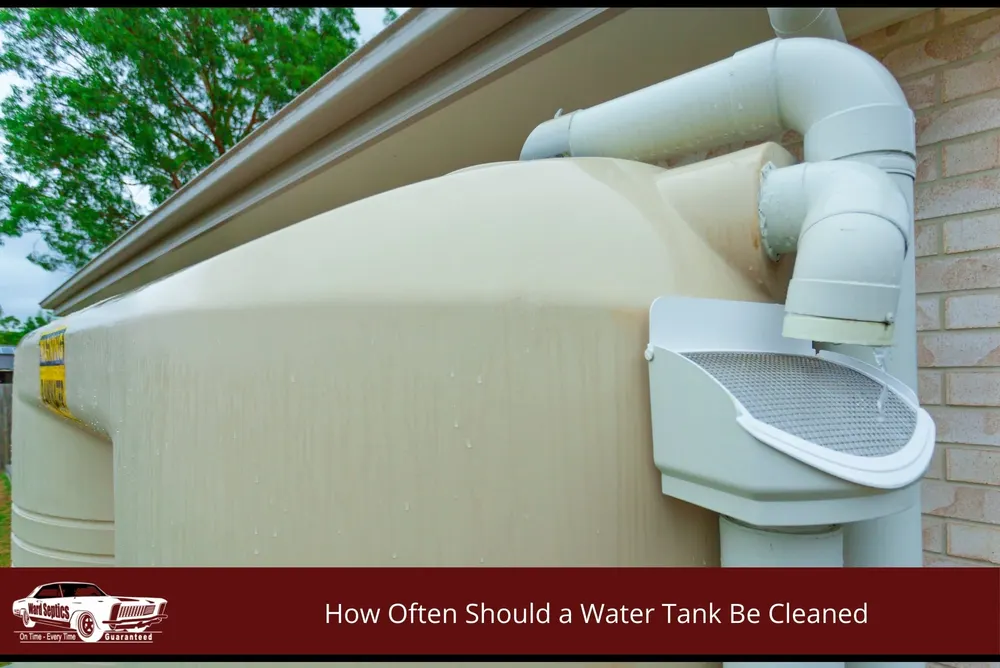
Regular cleaning helps maintain safe water quality and prevents damage to pumps, filters and plumbing components.
Is Water Tank Cleaning Worth the Cost
For most homeowners, professional water tank cleaning is a worthwhile investment. Clean tanks provide better water quality, reduce the risk of bacteria and organic contamination and help prevent blockages in pumps and filters.
Key benefits of regular water tank cleaning include
- Improved water taste and clarity
- Reduced health risks from contamination
- Longer lifespan of pumps filters and tank systems
- Lower risk of costly repairs or replacements
The cost of cleaning a tank every few years is usually far lower than the cost of repairing or replacing equipment damaged by long term neglect.
Get an Accurate Water Tank Cleaning Quote
Because every tank is different the best way to know the exact cost is to speak with a professional who can assess your situation properly.
If you would like a no obligation quote based on your tank size and condition feel free to call 0438 315 514. You will receive an honest assessment and a clear price with no pressure and no hidden surprises.
Thank you for taking the time to read this guide. Stay safe and enjoy clean healthy water.
Frequently Asked Questions About Water Tank Cleaning
Does water tank cleaning require the tank to be empty beforehand?
In most cases the tank does not need to be empty before the service. Professional cleaners usually pump out the water as part of the cleaning process.
How long does water tank cleaning usually take?
Most residential water tank cleaning jobs are completed within a few hours. Larger tanks or heavily contaminated tanks may take longer depending on condition and access.
Can water tank cleaning improve water taste and smell?
Yes, unpleasant taste or smell is often caused by organic buildup algae or bacteria inside the tank. Cleaning removes these contaminants and usually improves water quality.
Is it safe to clean a water tank yourself?
Basic maintenance can be done by homeowners but full tank cleaning often requires confined space entry equipment and experience. Professional cleaning is recommended for safety and thorough results.
Will water tank cleaning disrupt household water use?
Yes, water supply is usually unavailable during the cleaning process. Normal use can resume once the tank is refilled which is typically the same day.
Does cleaning the tank also clean filters and pumps?
Tank cleaning focuses on the inside of the tank. Filters and pumps are usually checked and may need separate servicing if buildup or blockages are found.