
Signs you need to call a septic expert sooner than later
Martha recently purchased a residential property with a septic tank in Hunter Valley. Her house sits in the middle of a lawn surrounded by green grass and a canopy of trees. One day, she noticed a pool of water on the ground. It smells stinky. The realtor had told her about the septic tank four feet below the ground. How old must it be by now? Martha wasted no time and called a professional septic tank cleaner from Wards Septics before things could get worse.
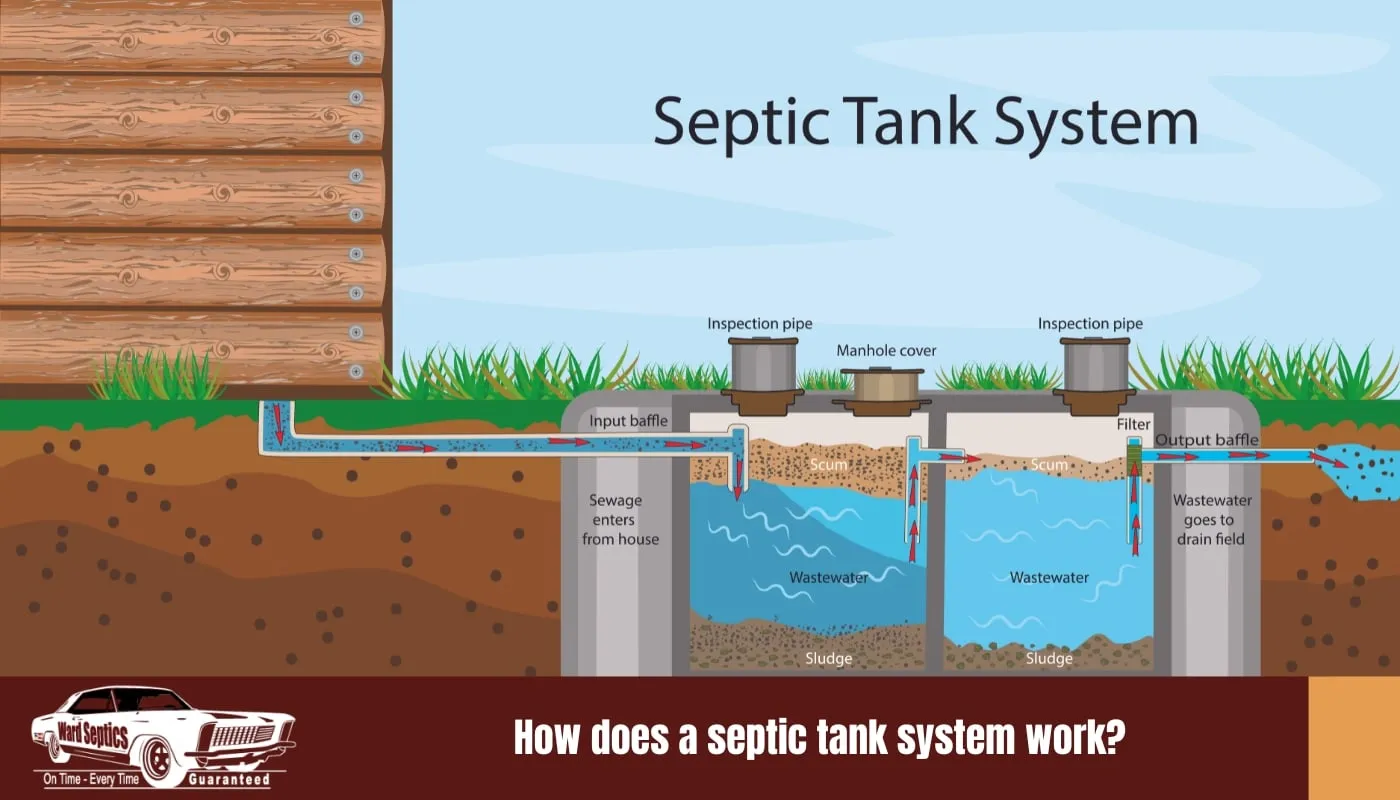
How does a septic tank system work?
Millions of households across Australia use septic tanks to treat and dispose wastewater. Understanding how a septic tank system works is just as important as maintaining a septic tank.
When you flush the toilet or use water at home, wastewater goes through the pipeline toward the septic tank. The heavy and solid particles, or sludge, settle at the bottom of the septic tank and undergo bacteria digestion. Grease and oil float on the wastewater and look like a crust-like scum over the liquid. Finally, the remaining liquid, known as effluent, exits the septic tank into the drain field, where it undergoes further chemical processes before returning to the water cycle.
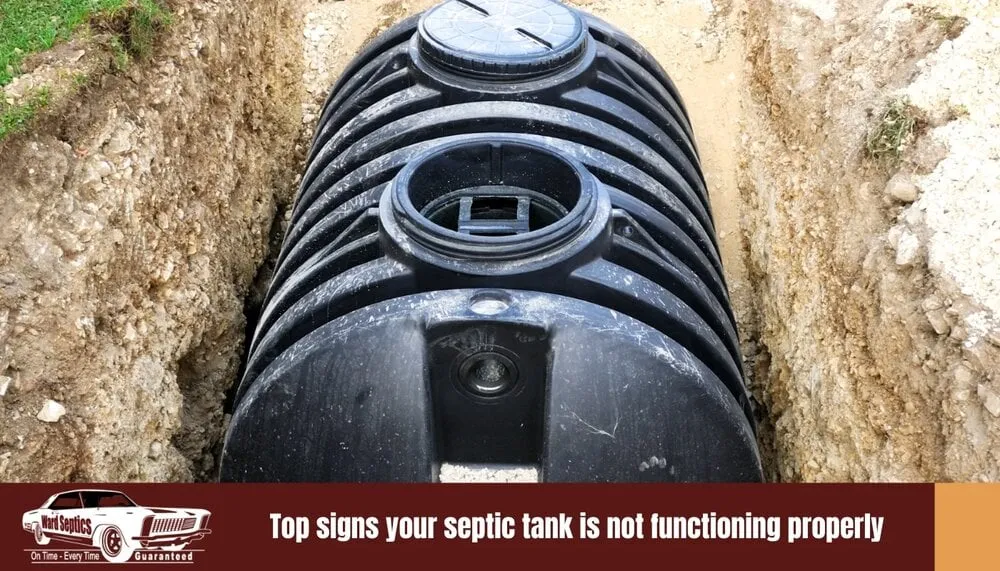
Top signs your septic tank is not functioning properly
Here are signs you need to call a septic specialist urgently.
1. A foul odour around the septic tank
Bacteria break down solid particles inside the tank. It makes gas as it breaks down these particles. If the septic tank is not functioning well, gas escapes and emits a foul odour.
Here are some reasons a septic tank fails and emits a foul odour:
- Full Tank
You will have a problem if the septic tank cannot keep up with your mountain of waste. It may back up anytime, and you will smell sewage everywhere. Regardless of the size, you must inspect a septic tank once every three years and emptied every three to five years to ensure normal working conditions. Pumping frequency depends upon the volume of solid waste and the number of occupants in the house.
- Clogged Drains
A clogged drain dries out the pipe leading to the tank. Gases produced in the chemical process will seep into your house and give off a foul smell if there is no water and proper ventilation to contain the odour.
- Broken Pump
The septic pump moves wastewater in and out of the tank. Therefore, a pump that is broken causes wastewater to stagnate and eventually back up if the septic tank operates at over capacity.
- Blocked Vents
Give your bushes and lawns a regular trim to avoid blocking vents in the drain field. The blocked vents will result in a stinky odour.
- Ice Build-up
Like untrimmed bushes and lawns, enormous ice during winter could block the vents. The foul odour produced by the gasses will seep into your home instead and make your place smell like sewage.
2. A pool of water or damp spots near the septic tank
If you see a pool of water near the septic tank, it means:
- There is a drainage problem in the drain field. Soil, sediments, and debris can clog drains and cause disruption of treated wastewater from seeping into the ground.
- A septic tank filled to the brim can flood the area with wastewater and a stinky smell!
- There is excess scum in the septic tank. Excess scum in the septic tank puts pressure on the lid and causes wastewater to spill off.
- A clogged line in the septic tank
3. Spongy lush grass over the septic tank during dry weather
It has not rained for a long time, but the grass is always wet around the septic tank.
- Grease, oil, and non-biodegradable materials cause debris buildup and clogs. The excessive sludge pushes the wastewater above the tank and spills around the area.
- Chemical agents in household cleaning solutions kill beneficial bacteria that break down solid waste particles in the septic tank. The absence of bacteria clogs drainage because of sludge build-up.
- Soil compaction by heavy equipment causes damage to the drain field and other system components.
4. Water and sewage from toilets, sinks, and drains go back up into the house
Clogs in the drainpipes or sewer lines beneath the ground cause sewers to back up. It may be grease, hair, and non-biodegradable products, which cause clogs and eventual backup.
5. Gurgling sound in the plumbing system
Do not run if you hear a gurgling sound in the plumbing system. Instead, call the expert septic tank cleaner from Ward Septics. It means the septic tank is excessively full, and wastewater may back up anytime!
6. Water from bathtubs, sinks, and toilets drains at a snail's speed
The septic tank smells trouble if water drains slowly from the bathtub, sink, and toilet. It is a tell-tale sign the tank is overly full.
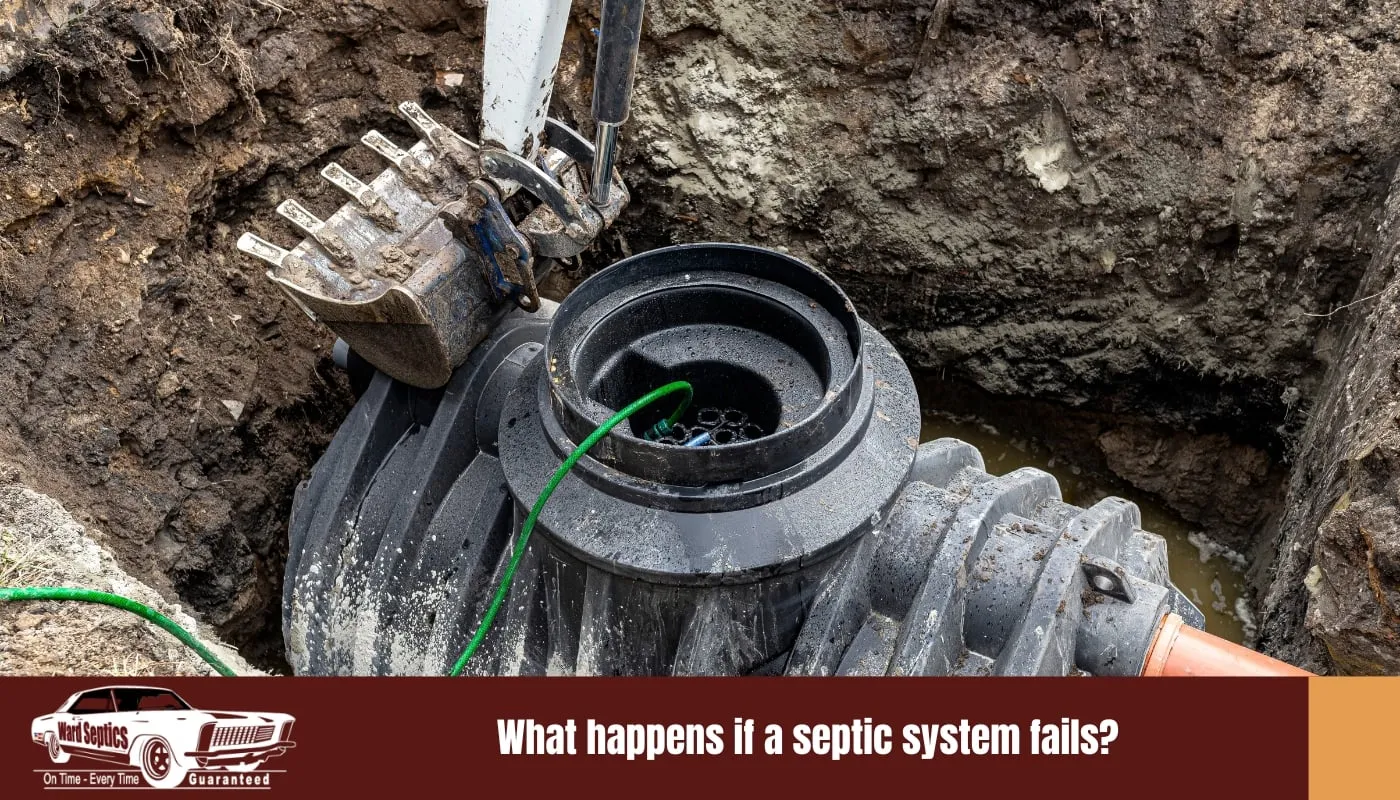
What happens if a septic system fails?
A failed septic system causes untreated wastewater to back up in the house. The sewage may appear on the ground or around the tank and drain field. It carries pathogens and dangerous contaminants that are hazardous to health. The contaminated water will find its way into rivers, lakes, and seas and kill marine life. Worse, people and animals may drink contaminated water without knowing it.
How to prevent septic system failure
The average lifespan of a septic tank is around 30 years. It takes diligence and effort to maintain and prolong the life of a septic tank. As mentioned earlier, septic inspection should be one to three years.
Clean and pump your septic tank every three to five years to avoid sludge and scum build-up.
Call the expert from Ward Septics for your septic tank problems now!
You have witnessed the top signs that point to septic tank failure in your property. We have professional septic tank cleaners to help address your sewer problems. Don't waste a single minute! Call us on 0438-315-514. Our team at Ward Septics will ensure you get a clean septic system done professionally and at a fair price!